
Basement Flood Cleanup
Essential Steps for Flooded Basement Cleanup
A flooded basement can be a homeowner’s nightmare. It disrupts daily life and poses serious risks. Water damage can lead to mold growth and structural issues. Quick action is crucial to minimize these problems.

Help for Any Disaster
If you’re dealing with an unexpected disaster, we’re here to help. Contact us today to talk to an expert.
888-545-8514
248-669-2600
Understanding the Causes of Basement Flooding
Understanding the cleanup process is essential. It helps in restoring your basement efficiently and safely. This guide will walk you through the necessary steps. You’ll learn how to handle a flooded basement effectively.
From initial water removal to preventing future floods, we’ve got you covered. Safety precautions are a top priority.
We’ll also discuss when to call in professionals. Companies like R & S Restores Novi Mi offer expert services.
Knowing the right tools and techniques can make a big difference. It ensures a thorough and successful cleanup.
Prepare to tackle your flooded basement with confidence. Let’s dive into the essential steps for a successful cleanup.
Safety First: Precautions Before Cleanup
Before starting a flooded basement cleanup, prioritize safety. Water and electricity can be a dangerous mix. Ensure the power is off in the affected area to avoid shocks.
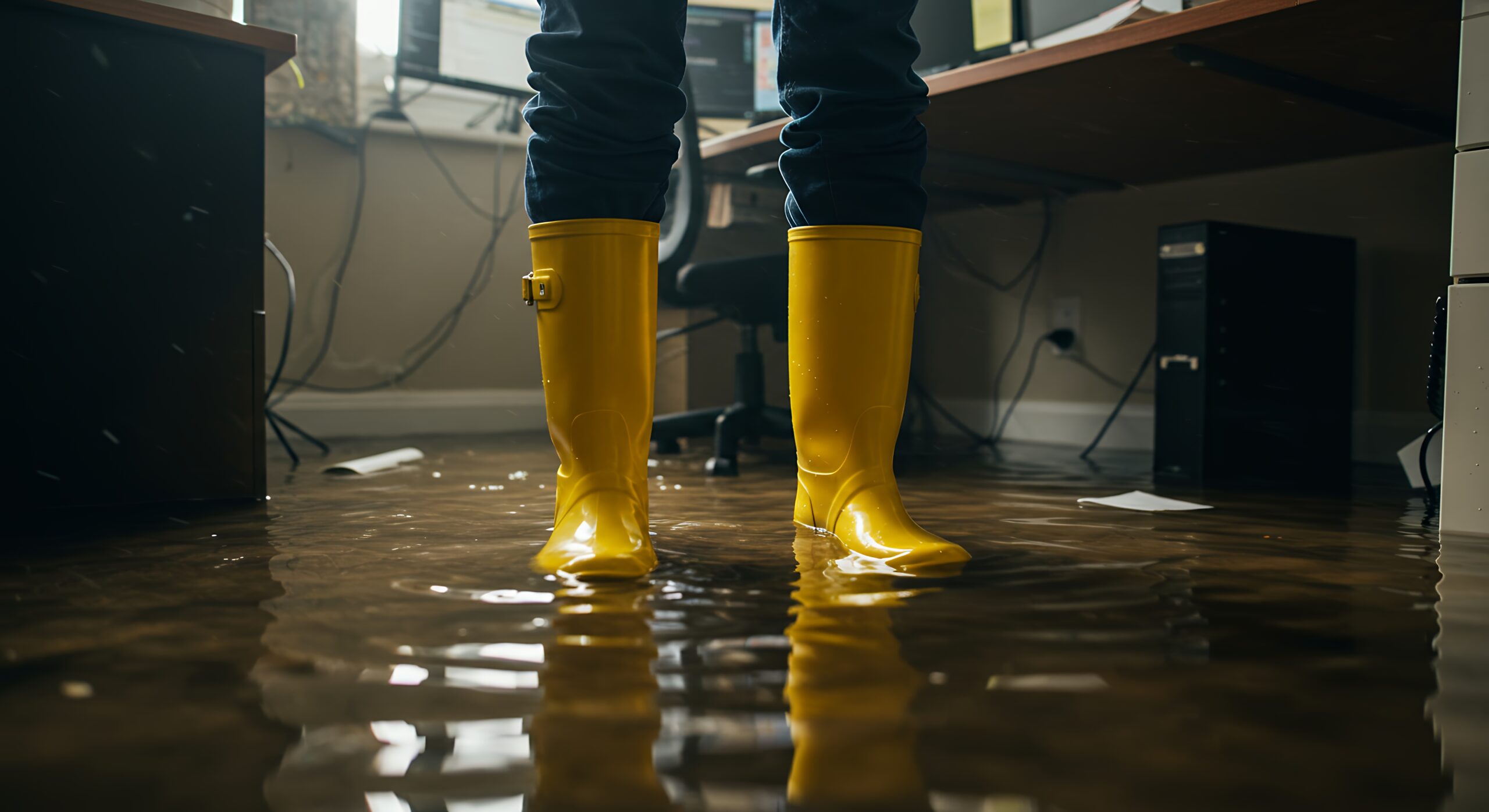
Protect yourself with proper gear. Wear rubber boots and gloves to prevent contamination. Long sleeves and pants can protect against cuts and abrasions.
It’s also important to assess the situation. Determine the water’s source and whether it’s contaminated. Knowing its origin can help in deciding the appropriate cleanup methods.
Important precautions include:
Turn off electricity in the basement
Wear protective clothing such as boots and gloves
Identify the type and source of the water
Consider having a professional inspect the area if unsure about safety conditions. This is crucial in potentially hazardous situations. Remember, safety should never be compromised.
Finally, ensure ample ventilation. Open windows to reduce any harmful fumes or odors. Proper ventilation with the correct conditions will also aid in the drying process, making cleanup more effective and safer. If you are unsure or in over your head call R & S Restores

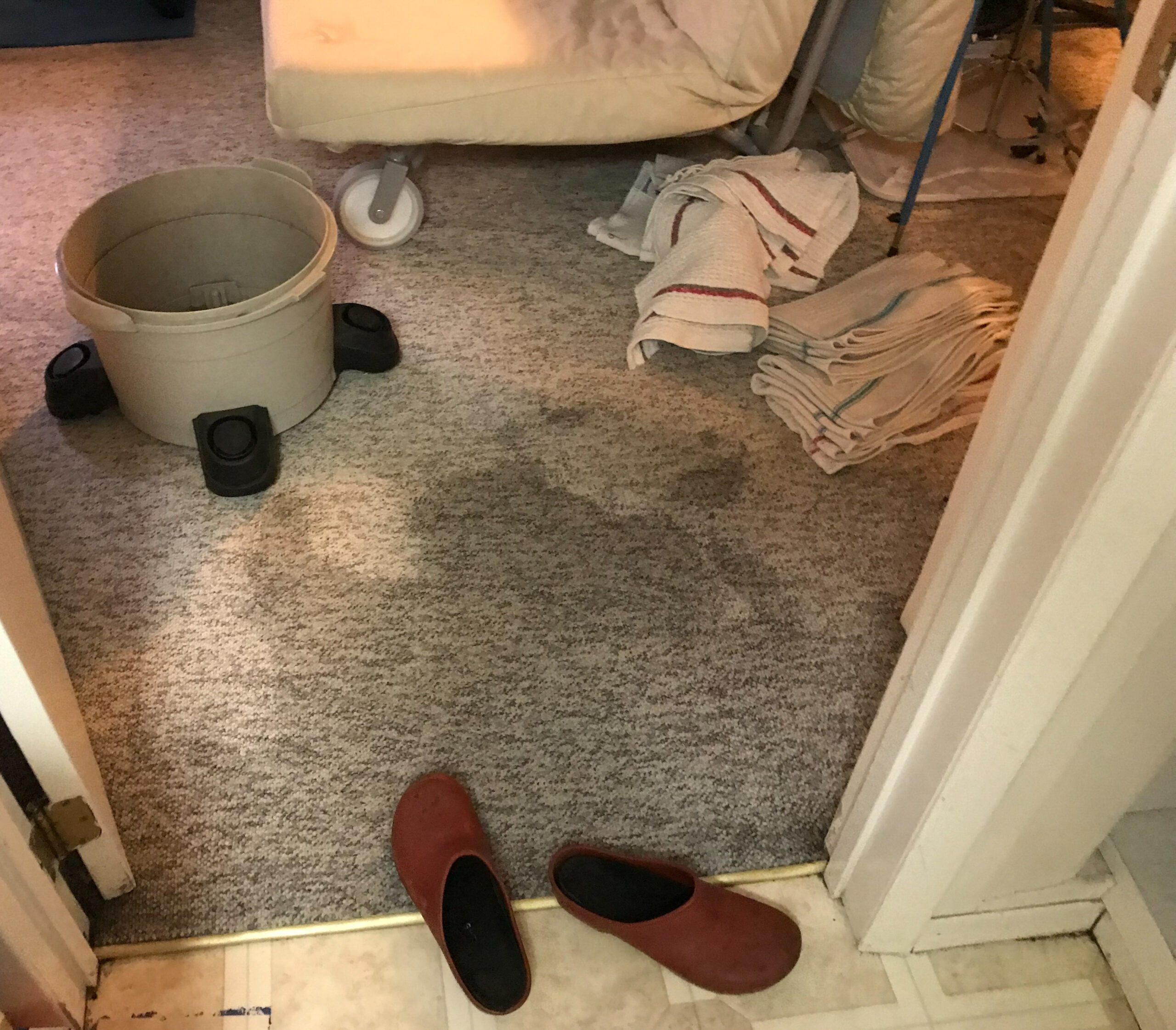
Understanding the Causes of Basement Flooding
Basement flooding can result from various sources. Identifying these causes helps in prevention and efficient cleanup.
Heavy rainfall is a common culprit. When soil becomes saturated, it seeps into basements. Poor drainage around the home exacerbates this issue.
Leaky pipes are another frequent cause. Aging or damaged plumbing can lead to a basement flooding disaster. Regular inspections are vital to catch leaks early.
Here’s a list of common causes:
Heavy rain or melting snow
Poor drainage systems
Faulty plumbing or burst pipes
Cracks in the foundation
Understanding these causes helps you take preventive measures. Address drainage issues and fix plumbing leaks promptly. Maintain your home to keep your basement dry.
By being proactive, you can mitigate risks. This knowledge is a crucial step in preventing future floods. Stay informed to protect your basement from unexpected water invasion.
Assessing the Damage and Identifying the Source
Once safety measures are in place, assess the damage. Take a moment to examine the affected area closely. This will guide the next steps in your cleanup process.
Identify where the water is coming from. Common sources include heavy rain, plumbing leaks, or sewage backups. Knowing the cause helps in preventing future incidents.
It’s essential to categorize the severity of the damage. Determine if the water is clean, gray, or black. This classification affects the cleaning methods you should use.
Here are key assessment steps:
Examine the source of the water entry
Determine the type of water present
Measure the extent of the water damage
Additionally, check for structural issues. Look for signs such as cracks in walls or floors. Such damage may require professional attention to ensure your home’s integrity.
Initial Water Removal: Tools and Techniques
After assessing the damage, it’s time for water removal. Begin with basic tools like a mop and bucket. They work well for small water accumulation.
For larger amounts of water, Call for professional help. They are more efficient and can handle large amounts of water at once. They have ideal tools for quick water removal.
In severe cases, a temporary sump pump might be necessary. Sump pumps are powerful and can move significant volumes. They’re best for deep flooding situations.
Consider hiring professionals if you’re overwhelmed. Companies like R & S Restores offer water extraction services. They have the expertise and equipment for large-scale cleanup.
Here’s a list of essential water removal tools to try on your own:
Mop and bucket for minor puddles
Wet/dry vacuum for moderate flooding
Sump pump for high volumes
Professional services for overwhelming situations
Selecting the right tool makes a huge difference. Proper equipment saves time and effort. It’s critical to act fast to prevent further damage.
When to Call Professionals: R & S Restores Novi Mi and Water Extraction Services
Sometimes, basement flooding can exceed what DIY measures can handle. When water damage is extensive, professional help is crucial. Companies like R & S Restores offer effective solutions.
R & S Restores Novi Mi specializes in flood damage restoration. They provide comprehensive services to get your basement back to normal. Their team uses advanced equipment for efficient water extraction.
In certain situations, delays can worsen the damage. Quick professional intervention minimizes the risk of mold. It’s also essential for preventing structural issues.
Consider contacting professionals when:
Water damage covers a large area
There’s a persistent musty odor
Mold growth is visible
Structural damage seems likely
Experienced professionals not only clean up but also ensure safety. Their expertise reduces the chance of future issues. When in doubt, it’s best to seek their assistance for peace of mind.
Removing Damaged Items and Preventing Mold Growth
After significant water removal, immediate attention to damaged items is vital. Begin by sorting through possessions in the flooded basement. Prioritize items that have absorbed water for removal.
Unaddressed wet materials create a haven for mold. To prevent mold growth, remove soaked carpets, upholstered furniture, and cardboard. Dry or discard these items promptly to avoid further contamination.
Mold thrives in moist environments, putting your health at risk. Dealing with damp possessions swiftly halts mold’s spread. It reduces the chance of airborne spores affecting other areas.
Consider these actions to manage damage:
Discard unsalvageable items
Clean hard surfaces with disinfectants
Use bags or bins for transporting damaged goods

Drying Out the Basement: Fans, Dehumidifiers, and Ventilation
Thorough drying is crucial to prevent mold after a flood. Start by enhancing airflow in the basement. Open windows and doors to promote ventilation.
Next, use fans to circulate air throughout the space. Position them strategically to maximize airflow effectiveness. Fans help to accelerate the drying process significantly.
Consider a dehumidifier for excess moisture removal. This device extracts moisture from the air, aiding in drying walls and floors. Dehumidifiers are especially helpful in enclosed basements with limited ventilation.
Implement these steps for effective drying:
Use proper fans for airflow
Operate dehumidifiers continuously
Monitor humidity levels with a hygrometer
Patience and persistence are key. Drying can take several days, but it’s essential to prevent long-term issues. Consistent ventilation reduces the risk of mold, creating a safer environment.
Inspecting for Structural Damage and Repairs
After cleaning, inspecting for structural damage is crucial. Water damage can lead to items not working as they did
Look for signs of damage such as cracks in the walls or floors. Note any shifts in doors and windows if wood they may have swollen and no longer work properly.
Timely repairs safeguard your home’s integrity. Ignoring damage can lead to costly future problems. Address any concerns promptly with professional help if needed.

Documenting Damage for Insurance Claims
Effective documentation aids in insurance claims. A methodical approach can hasten the compensation process. Detailed records are essential for proof.
Start by taking clear photos of damaged areas. Capture all angles and include water levels if possible. A picture is worth a thousand words.
Create a list of destroyed items. Note serial numbers and estimated values. An inventory eases claim assessments.
Photograph affected areas and items
List damaged possessions with details
Preserve receipts
Having thorough documentation helps streamline discussions with insurance adjusters. This clarity can lead to a smoother, faster settlement.
Understanding Water Damage Categories and Health Risks
Water damage is classified into categories. These categories determine cleanup approaches and urgency. It’s crucial to distinguish between them.
Category 1 involves clean water from a sanitary source. It typically poses minimal health risks. Swift action is still essential to prevent escalation.
Category 2, known as “gray water,” contains contaminants. It can cause discomfort or illness. Immediate cleanup reduces potential hazards.
Category 3, or “black water,” includes severe pollutants. Sources may include sewage or flooding. Immediate professional intervention is crucial for safety.
Category 1: Clean water
Category 2: Gray water
Category 3: Black water

Preventing Future Basement Floods: Maintenance and Upgrades
Regular maintenance is key to avoiding future basement floods. Start with a thorough inspection of your property. Look for cracks in the foundation and seal them promptly.
Proper drainage around the house is crucial. Ensure gutters and downspouts direct water away from the foundation. This reduces the risk of water pooling.
Consider installing preventive systems. A sump pump can be a lifesaver during heavy rainfall. A backwater valve prevents sewer backups, adding extra protection.
Routine checks should include:
Foundation cracks
Gutter functionality
Sump pump operation
Periodic inspections help identify potential issues early. Investing in these upgrades can be cost-effective over time. Protecting your basement from future floods enhances property value and peace of mind.

Choosing the Right Flood Damage Restoration Company
Selecting the right restoration company is essential. Experience and reputation should top your list. Research companies with proven track records.
Consider these factors when choosing:
Certified technicians
Customer reviews
Quick response times
R & S Restores Novi Mi is a reliable option. They offer comprehensive services, including basement water removal. Opting for professionals ensures thorough cleanup, preventing further issues down the line.

Frequently Asked Questions About Flooded Basement Cleanup
Many homeowners face similar questions when dealing with flooded basements. Here are some common concerns and answers:
How quickly should I start the cleanup?
Can I handle a minor flood myself?
When should I call professionals like R & S Property Restoration?
Starting cleanup within 24 hours is crucial to prevent mold growth. Minor flooding may be manageable, but professional help ensures thoroughness. Call experts for severe flooding or when unsure of safety. Each situation is unique, and professional guidance can aid in making informed decisions.
Conclusion and Next Steps
Cleaning up a flooded basement requires quick action and careful planning. By following these essential steps, you can effectively tackle water damage and prevent further issues.
After addressing immediate concerns, focus on prevention and maintenance to protect your home from future floods. Implementing upgrades and regular inspections can significantly reduce risks. For persistent problems or extensive damage, consider reaching out to professionals like R & S Restores Novi Mi for expert assistance and peace of mind.