
Ice dams are a common winter problem for many homeowners. They form when snow on a roof melts and refreezes at the eaves. This creates a barrier that prevents proper drainage. The result can be significant water damage to your home. Leaks, mold growth, and structural damage are just a few potential issues. Understanding ice dams and their impact is crucial for homeowners in cold climates. Knowing the causes and solutions can help protect your property. This guide will explore ice dam solutions and prevention methods. We’ll also cover water damage repair to help you safeguard your home.
Stay informed and proactive to minimize the risks associated with ice dams.
If you’re dealing with an unexpected disaster, we’re here to help. Contact us today to talk to an expert.
888-545-8514
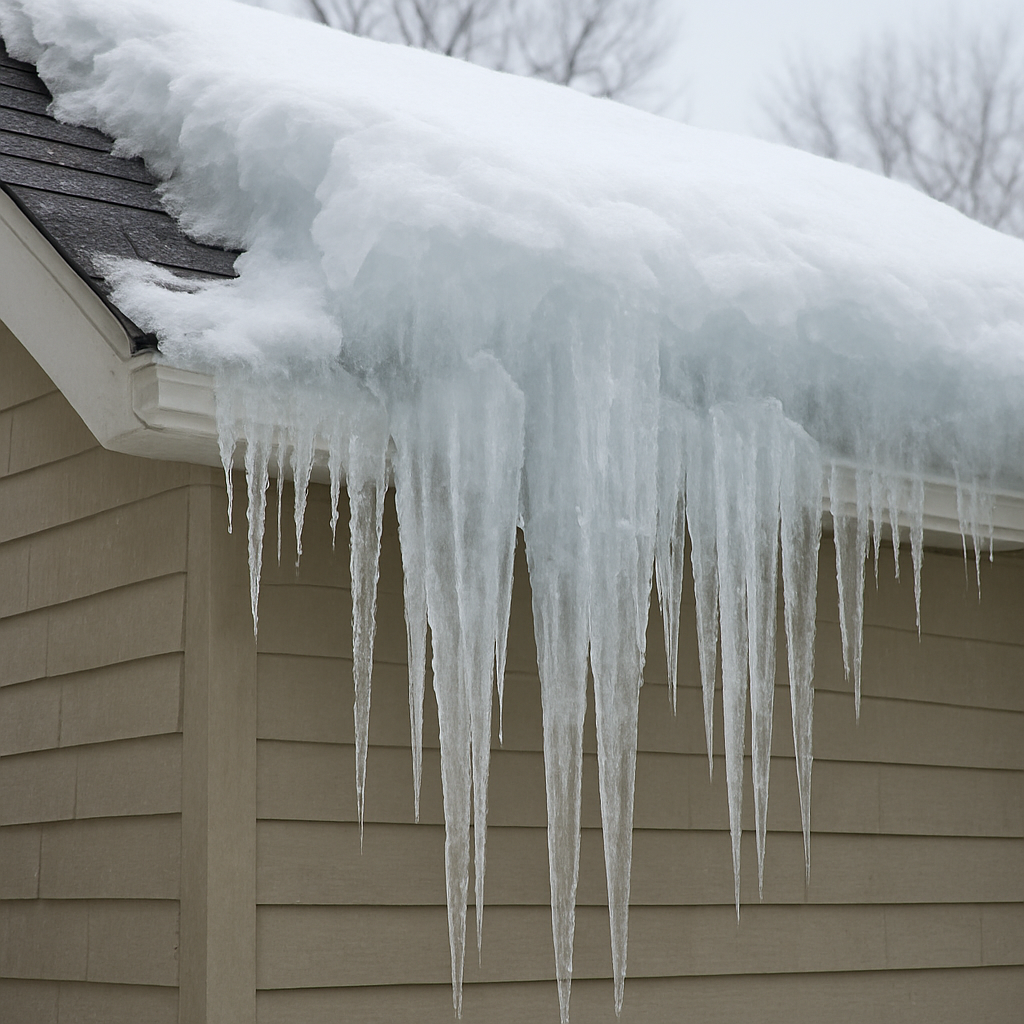
Ice dams are ice ridges that form at the edge of a roof. They prevent melting snow from properly draining off the roof. This backup of water can penetrate into the home, causing damage.
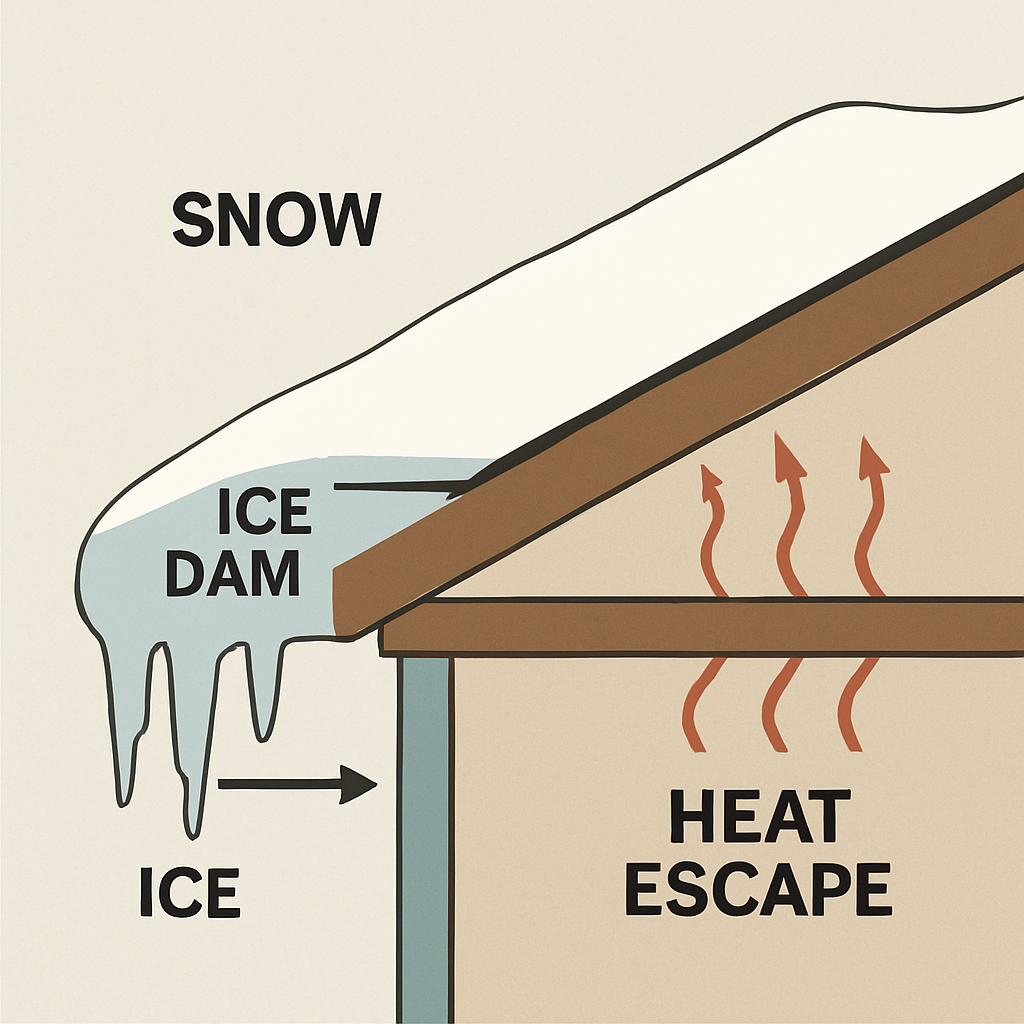
An ice dam primarily forms when heat escapes into the attic. This warms the roof’s surface, melting the snow above. The melted water runs down until it reaches the colder eaves, refreezing there.
Several elements contribute to the formation of ice dams:
These conditions create a perfect storm for ice dam development. They are more prevalent in areas with harsh winters and temperature swings Understanding how these barriers form is the first step in addressing the problem. Knowing the conditions that lead to their creation can guide prevention efforts. Proper house maintenance can significantly reduce the risk of ice dam
Ice dams occur under specific conditions related to temperature and insulation. When the roof’s upper areas are warmer than the eaves, snow melts and refreezes at the edges. This repeated refreezing is the main cause of ice dam formation.
Several factors contribute to this uneven roof temperature:
Heavy snowfall followed by periods of cold makes ice dams more likely. Snow acts as an insulator, retaining roof warmth, which melts the lower layers.
Buildings with complex roof designs can also see increased ice dam formation. Valleys and dormers create spots where snow can easily melt and refreeze.
Homes with south-facing slopes may experience faster snow melting. Sun exposure accelerates the heating process, contributing to the conditions necessary for ice dam creation.
Addressing these contributing factors through proper maintenance can prevent ice dams. Taking proactive steps helps maintain consistent roof temperatures.
Ice dams can lead to severe water damage in homes. When water backs up behind an ice dam, it seeps into the roof. This can result in leaks that damage insulation and drywall.
Over time, accumulated water can cause mold growth. Mold not only damages structures but also poses health risks. Breathing in mold spores can lead to respiratory issues.
The weight of ice dams can also stress roofs and gutters. This may cause shingles to lift or gutters to detach. As the structural integrity is compromised, costly repairs may follow.
Ice dams can also impact home energy efficiency. Water damage can degrade insulation, leading to heat loss during winter. This results in higher energy bills and discomfort.
Moreover, icicles forming at the roof’s edge pose a safety hazard. Falling icicles can injure people and damage property below. This makes prompt attention to ice dam formation crucial.
In addition to physical damage, aesthetic issues arise from ice dams. Stains, peeling paint, and warped surfaces mar the home’s appearance. Addressing these dangers requires understanding and preparedness.
Homeowners should regularly inspect roofs for signs of trouble. Early intervention can limit the scope of water damage and other related issues.
Recognizing the early signs of ice dams can prevent extensive damage. One clear indicator is the presence of icicles. While icicles can look picturesque, they often signify melting snow and potential ice dam formation.
Inside your home, look for water stains on ceilings and walls. Discolored patches or peeling paint suggest water infiltration. These are telltale signs that an ice dam could be present.
Pay attention to your home’s overall humidity levels. Musty odors and increased dampness hint at hidden water leakage, possibly from ice dams. Mold or mildew often accompany these issues.
To spot potential ice dam issues, consider this quick checklist:
Monitoring these warning signs can save time and money. Preventative action is always the best approach for preserving your home’s integrity.
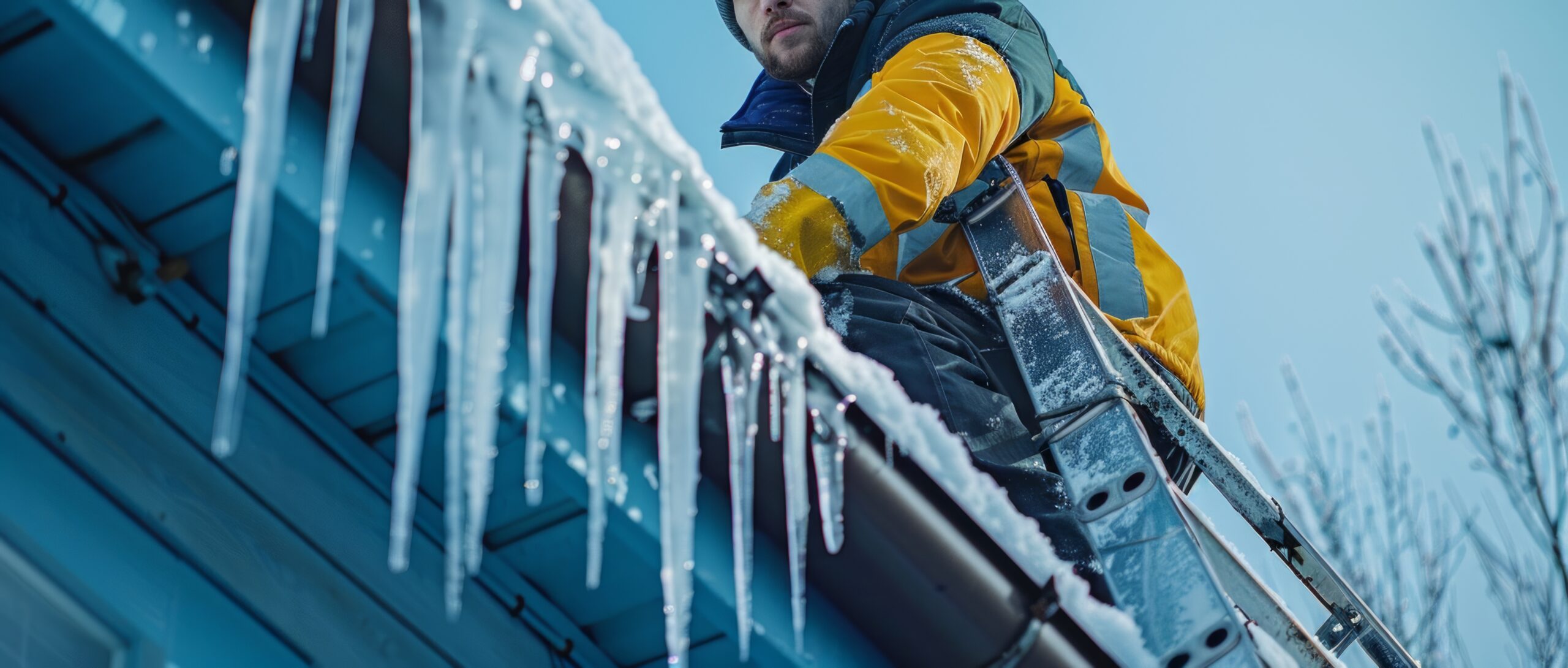
Immediate action is crucial when dealing with ice dams. Prompt responses can prevent further damage and reduce repair costs. First, remove excess snow from your roof using a roof rake.
Use a rake with a long handle to remain safely on the ground. This reduces roof load and prevents additional ice formation. Be cautious when working on or near roofs to avoid injury.
In case water is actively leaking, contain the water indoors. Place buckets and towels under the leaks to minimize damage. This temporary solution can prevent extensive water intrusion.
Consider using calcium chloride ice melt. This substance can safely break down ice dams without damaging your roof. Avoid using rock salt, which can harm both your roof and landscaping.
Hiring a professional for ice dam removal may be wise. Experts use steam to safely melt ice, preserving roof integrity. Professional help ensures a complete and safe ice dam solution.
For quick reference, these steps outline immediate actions:
These actions can help address ice dams promptly and reduce potential damage to your home.
Preventing ice dams involves both addressing current issues and planning for future snowfall. Start with proper attic insulation and ventilation, which are key. They help maintain a consistent roof temperature, reducing ice formation.
Moreover, inspect your attic for air leaks. Seal any gaps and cracks to keep warm air inside. This prevents heat from escaping and melting snow unevenly on your roof.
Consider upgrading to a reflective roof coating. This reduces heat absorption during sunny days, diminishing the likelihood of ice dams. Another approach is to install heat cables. These devices help maintain temperatures high enough to prevent ice accumulation.
Create a long-term maintenance plan for your roof. Regular inspections help spot potential trouble and allow for timely repairs. Including roof and gutter cleaning in your plan is essential.
Here is a checklist of things to inspect regularly:
Taking the right preventive actions also involves year-round efforts to secure your home. Below are strategies to implement:
These strategies will safeguard your home against ice dams and reduce the risk of costly repairs.
Water damage from ice dams can be extensive but manageable. Start by assessing the damage carefully. Look for signs of moisture in your attic and walls.
Next, dry the affected areas promptly to prevent mold growth. Use dehumidifiers and fans to speed up the process. Once dry, inspect for structural damage, especially in the attic and roof.
Prepare to replace any compromised materials. Damaged insulation, drywall, and roofing materials may need removal and replacement. Always prioritize restoring areas that are crucial to your home’s integrity.
Here’s a quick list of steps to follow:
Contact your insurance company if necessary. They may cover some repairs based on your policy terms. Carefully review your coverage options.
These steps can restore safety and comfort to your home. Remember, addressing damage early can save time and money in the long run.
Sometimes, professional help is the best option. Ice dam problems can lead to dangerous situations, especially on high roofs. Safety is always the top priority.
Consider hiring an expert if you notice persistent water damage or ice dam issues. They can use safe removal methods, like steam, that won’t harm your roof. Avoid risky DIY methods that may cause more damage.
Here are situations when professional help is crucial:
Experts provide tailored solutions for your specific home, ensuring more effective prevention and repair strategies.
Many homeowners face questions about ice dams. Understanding these issues can ease stress during winter months. Here’s a quick guide to common concerns.
Common Questions About Ice Dams:
Regular maintenance and knowledge are key. For those unsure about handling ice dams, professional advice is recommended. Remember, early action can prevent extensive damage.
Preventing ice dams requires a proactive approach and attentive maintenance. Focusing on insulation and ventilation can greatly reduce risks. Being prepared for winter is essential.
Ice dams can cause costly damage if left unchecked. The good news is solutions exist that are effective and practical. From regular checks to professional help, options are available.
By understanding the causes and solutions, you can safeguard your home. With the right steps, ice dams become less of a threat. Prioritizing these actions will help maintain the integrity of your property during cold seasons.
