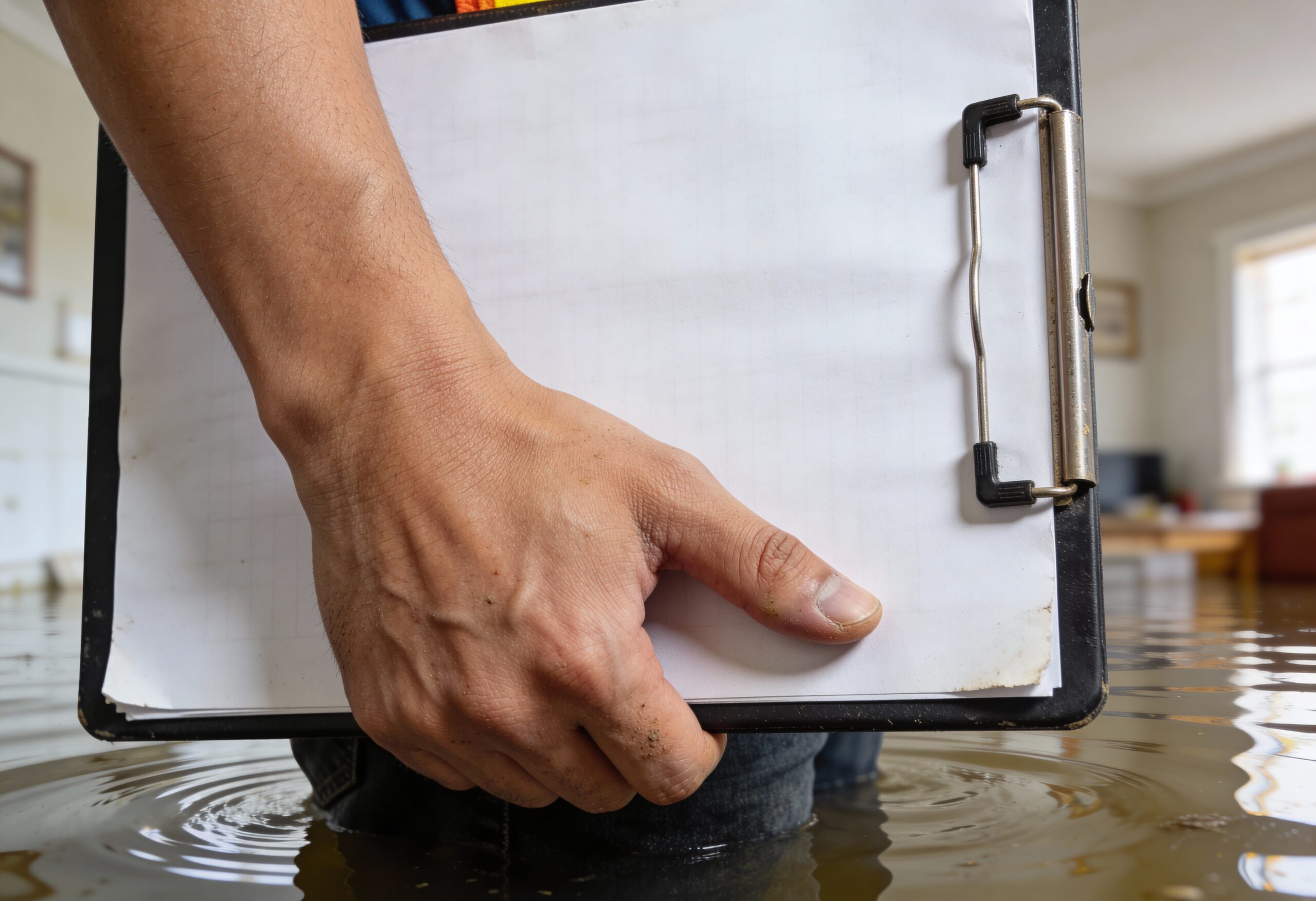
Water damage can wreak havoc on your home. A failed sump pump or sewage backup can lead to a flooded basement. These issues are not only costly but also stressful.
Water backup insurance coverage is essential for homeowners. It protects against unexpected water damage. This coverage can save you from significant financial loss.
Understanding your insurance options is crucial. Many standard policies don’t cover water backup incidents. Knowing the difference can help you make informed decisions.
Protect your home and peace of mind. Learn about water backup insurance and how it can safeguard your property.
If you’re dealing with an unexpected disaster, we’re here to help. Contact us today to talk to an expert.
888-545-8514

Water backup insurance is a specialized form of coverage. It specifically addresses issues related to water backing up through drains or failed sump pumps. This type of insurance offers peace of mind for homeowners.
With this coverage, expenses from a flooded basement due to a sump pump failure or sewer back up can be managed. Regular homeowners insurance often excludes such incidents, leaving homeowners vulnerable to unexpected costs.
Common coverage aspects include:
Understanding this insurance helps in making informed coverage decisions.
Water backup insurance covers damages caused by water backing into your home. This typically includes incidents like drain backups or sump pump failures. Such insurance is an add-on to standard policies.
Coverage features often include:
This insurance is crucial for homeowners with high water tables, finished basements and more. It shields against unforeseen financial burdens when disasters strike. Standard homeowners insurance doesn’t cover these specific water issues.
Key reasons for importance:
By having water backup insurance, homeowners secure necessary protection against unpredictable events. Talk with your agent about your water back up coverage and the right coverage amount for you. Some insurance carriers may offer only $10,000, while others may offer up to $250,000.
Basement flooding is a common yet distressing issue for many homeowners. Understanding its causes is the first step toward prevention. Flooding often results from several potential sources.
A few prevalent causes include:
Each of these problems can lead to significant water damage. By identifying these risks, homeowners can take preventive measures. Preparing your home can mitigate the effects of these common flooding causes.
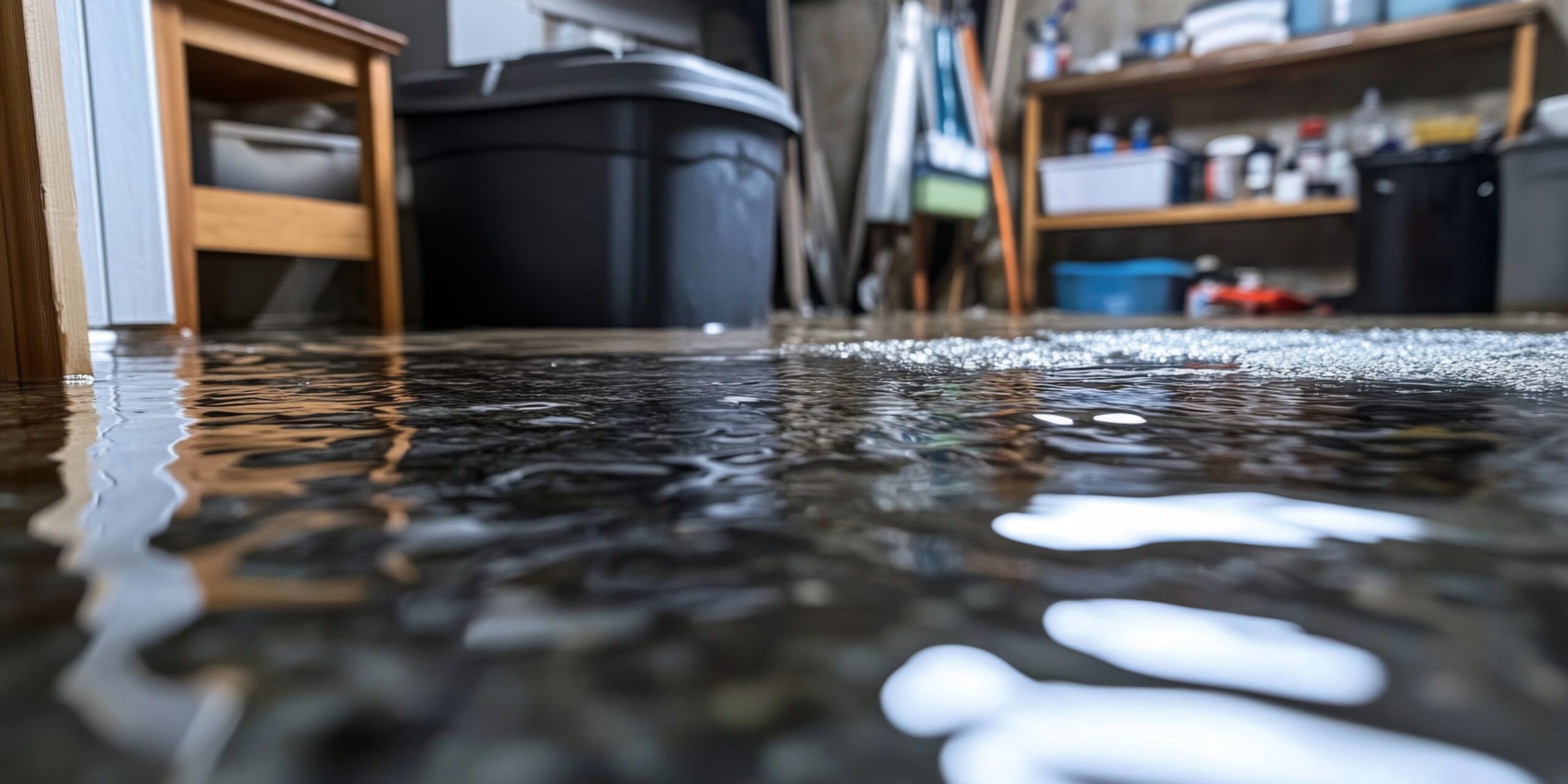
Sump pumps are essential for keeping basements dry. However, they can fail due to mechanical issues or power outages. Such failure can quickly lead to a flooded basement. Click here for sump pump maintenance tips.
Sewage backups occur when water overloads the sewer system. This can push wastewater back into your home. It’s not only damaging but poses serious health risks.
Heavy rain can overwhelm drainage systems, causing basement flooding. Poor yard grading also increases this risk. Leading to substantial water damage.
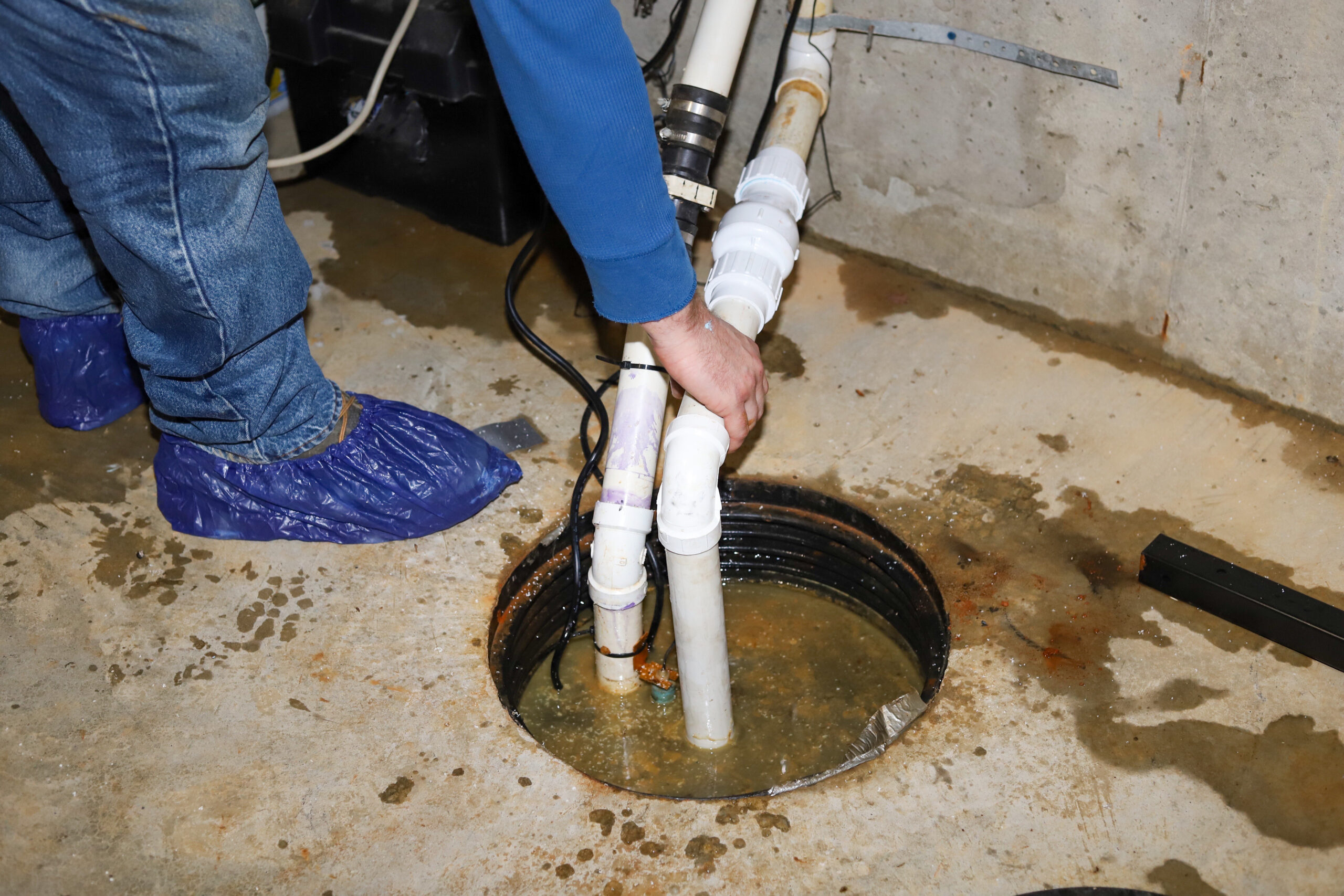
Understanding the difference between homeowners insurance and water backup insurance is crucial. Standard homeowners insurance often provides broad protection but typically lacks coverage for specific water-related damage. This gap can leave homeowners vulnerable in cases of basement flooding.
Key aspects differentiating the two:
Homeowners should be aware of these distinctions. Without water backup insurance, property can suffer extensive damage from water-related incidents.
Homeowners insurance generally covers sudden, accidental water damage. However, events like internal water backups may not be included. Additional coverage often becomes necessary.
Homeowners insurance exclusions often include water damage from failed sump pumps. Sewer backup incidents are typically not covered. Understanding these limitations is essential for adequate protection.
Consider water backup insurance if you have a finished basement. It is also wise if your area experiences frequent rainfall. Evaluate your risk with these factors:
This additional coverage ensures protection against unexpected repair expenses.
After experiencing a flooded basement or water damage, prompt action is essential. Professional help can mitigate further damage and restore your home effectively. Consider hiring a basement flood cleanup company for thorough results.
Here are steps to consider post-flood:
Choosing the right help ensures the safe and speedy recovery of your property. Delays can lead to complications like mold growth.
Flood damage remediation often involves water extraction and drying. Specialized services also handle sanitation and mold prevention. Professional assistance is key to a complete recovery.
When selecting a cleanup company, look for licensed, insured professionals. Recommendations and reviews can guide choices. Consider these factors:
R & S Restores Property Restoratoin is both IICRC certified as well as RIA member.
Costs for flood repair can vary greatly. Factors include the extent of damage and service requirements. Homeowners might expect significant expenses, depending on damage severity. Understanding potential costs helps in planning and budgeting post-flood. Call R & S Restores we can help guide you and provide an estimate.

Preventing water damage begins with proactive measures. Regular maintenance and strategic updates can protect your home from severe water issues.
Consider these steps to safeguard your property:
Proactive measures can significantly reduce the risk of flooding and minimize repair costs over time.
Regular sump pump inspections are crucial. Clean the pump and check for any mechanical issues. These checks ensure reliability during heavy rains.
Effective strategies can prevent sewage backups. Consider the following:
Taking these steps can help maintain efficient drainage systems.

R & S Restores offers valuable flood prevention resources. As well as basement flood cleanup services We provide expert advice on managing and preventing water damage. Our services services include basement flood clean up, basement flooding repair and more.