Many different problems can impact the condition of your home or commercial building, but water damage remains one of the most common reasons homeowners end up filing insurance claims. It can happen unexpectedly and stem from a wide range of sources, such as severe storms, heavy rain, flooding, plumbing failures, leaking appliances, broken or burst pipes, sump pump issues, or even messy sewer backups.
In many situations, water intrusion quickly soaks into materials, warps surfaces, and ruins flooring—often creating an urgent need for professional water damage restoration to protect your property and prevent further deterioration. No matter what type of flooring you have, from hardwood and laminate to tile, carpet, or vinyl, our team can help assess the damage and guide you toward the right solution.
If you’re dealing with an unexpected disaster, we’re here to help. Contact us today to talk to an expert.
888-545-8514
248-669-2600
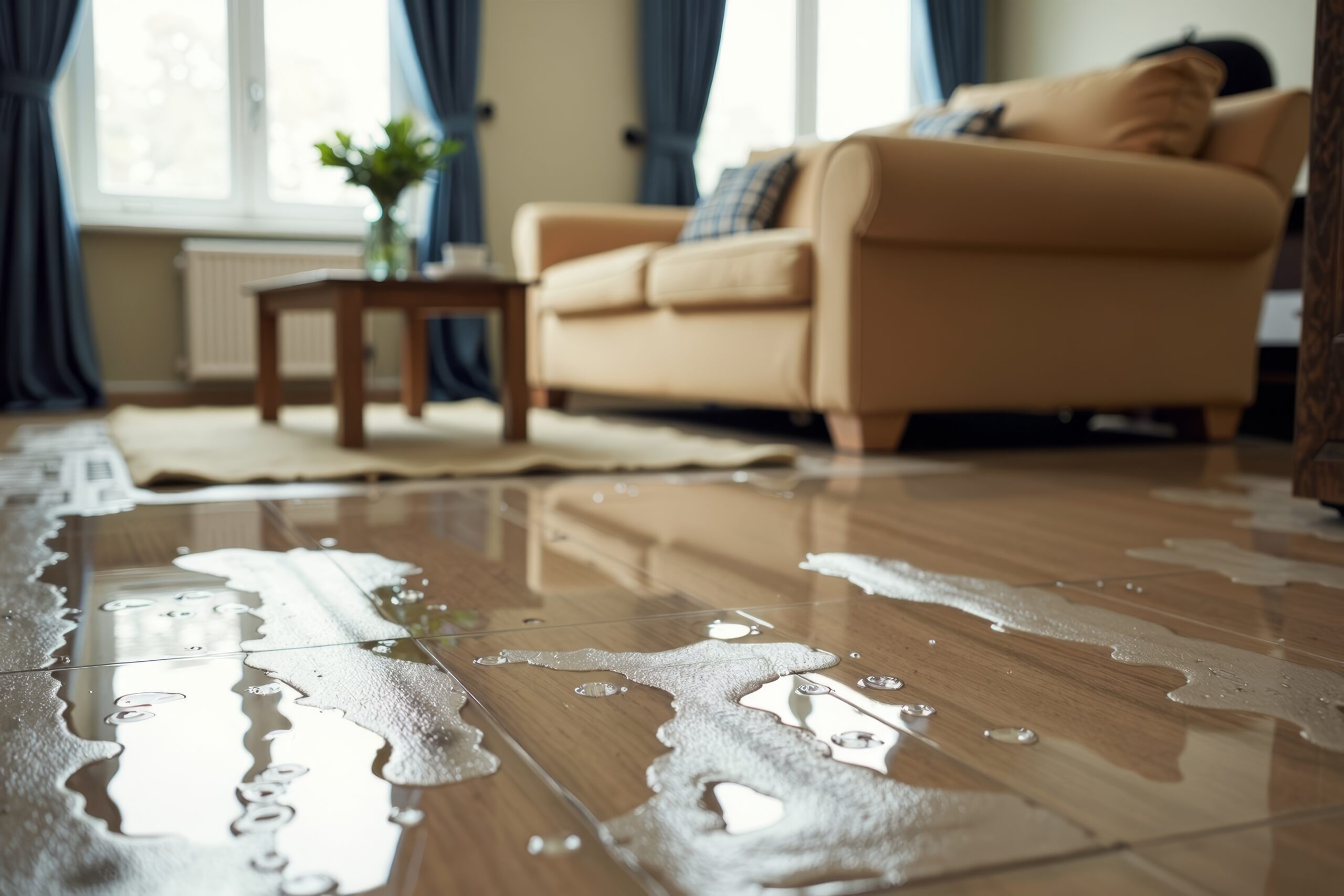
Hardwood flooring comes in several varieties, and the best approach after water damage depends on exactly what you have installed. Natural solid hardwood, engineered hardwood, factory pre-finished (pre-stained) planks, and hardwood that was stained and sealed on-site can all react differently when exposed to moisture. The right restoration or replacement plan also hinges on the category of water involved—clean water from a supply line is very different from gray water or contaminated water, which can introduce additional health and safety concerns.
No matter which type of hardwood you’re dealing with, we’ll help you evaluate the damage, understand your options, and choose the most practical path forward for your home and budget. For additional guidance and next steps, visit our water-damaged hardwood floor page.
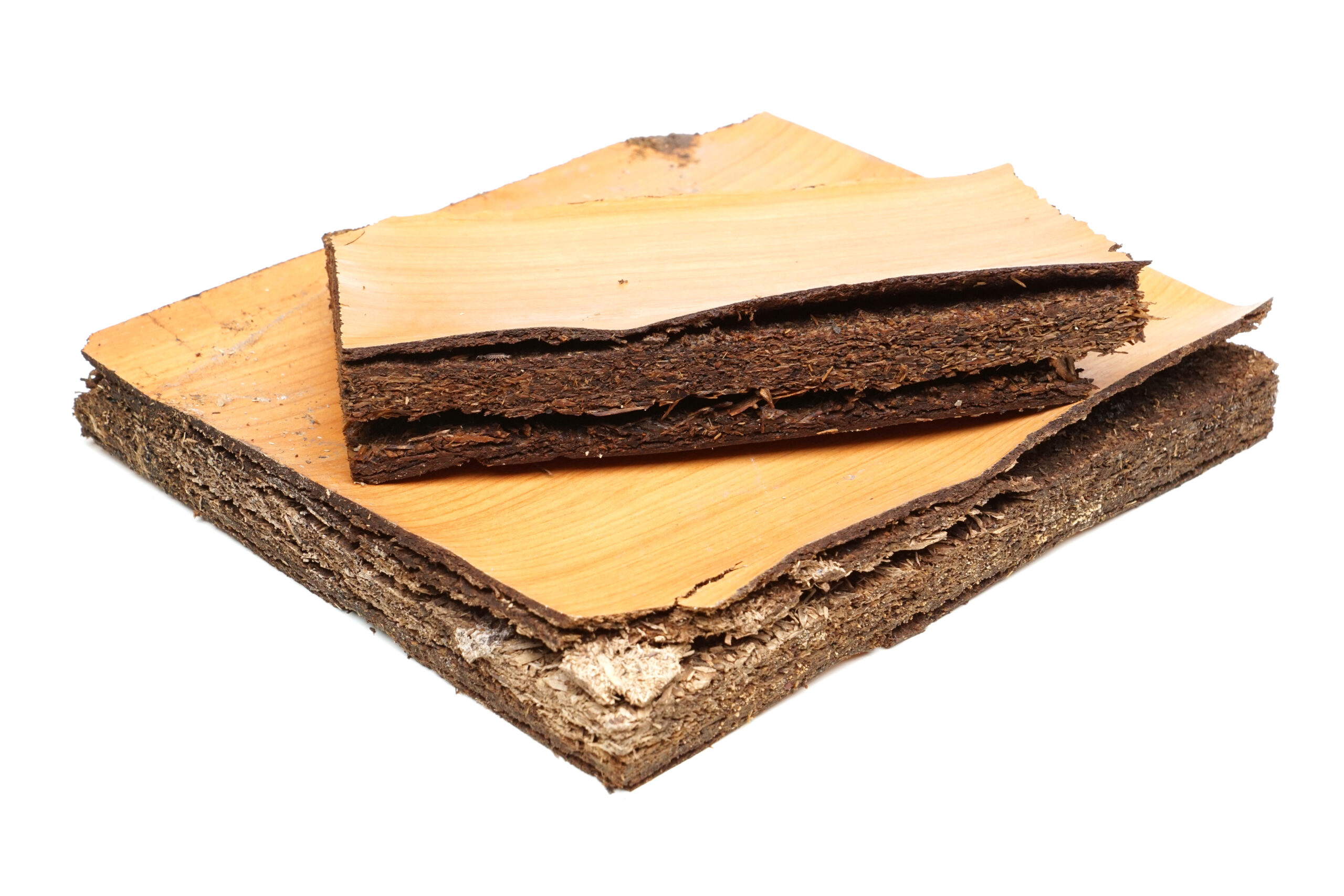
Carpet water damage is a very common issue after any type of water loss, whether it’s from a leak, overflow, or flooding. In some situations, the carpet itself can be dried and salvaged if action is taken quickly and the water is clean. However, the carpet pad is often a different story. Because padding absorbs and holds moisture like a sponge, it frequently needs to be removed to ensure the area can be dried properly.
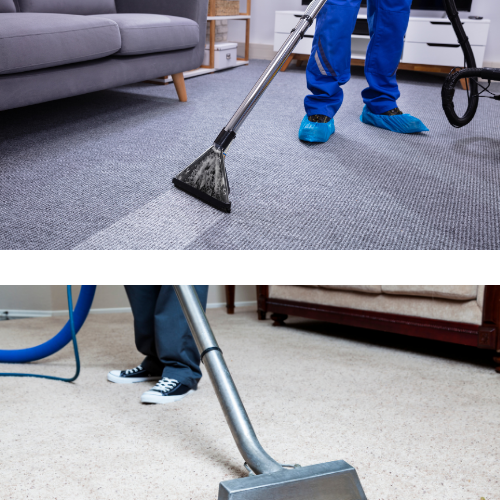
In many cases, this process also requires moving furniture and personal contents so the pad can be pulled up and professional water extraction can be performed from the carpet and the floor beneath it. Proper water mitigation helps prevent secondary damage, including swelling and deterioration of subfloors, moisture intrusion into drywall, and damage to baseboards and trim. For more details and next steps, visit our carpet water damage page.
Michigan properties feature a wide range of flooring types, and each one needs the right approach after water damage. While we’ve already discussed how to handle carpet and wood floors following a water loss, we can also help with many other popular surfaces. Our team can assist with luxury vinyl plank (LVP), laminate, tile floors, VCT tile, Pergo, and more, including guidance on drying, removal, and restoration when needed. Don’t wait for moisture to cause warping, mold, or long-term damage. Call R & S Restores Property Restoration today if your flooring has water damage and you need fast, reliable help.