Showers are a convenient part of daily life, but they also have several potential failure points that can lead to significant water damage. Shower valves can leak, and the water lines supplying the valve may freeze and burst during winter. Over time, leaks can also develop due to a failed solder joint in copper piping or a loose PEX clamp. Water damage may also stem from a damaged shower pan or poor tile installation, allowing water to seep out and affect drywall on the main floor or basement below, as well as the subfloor.
No matter the source of your shower-related water damage, R & S Restores is ready to help.
If you’re dealing with an unexpected disaster, we’re here to help. Contact us today to talk to an expert.
888-545-8514
248-669-2600
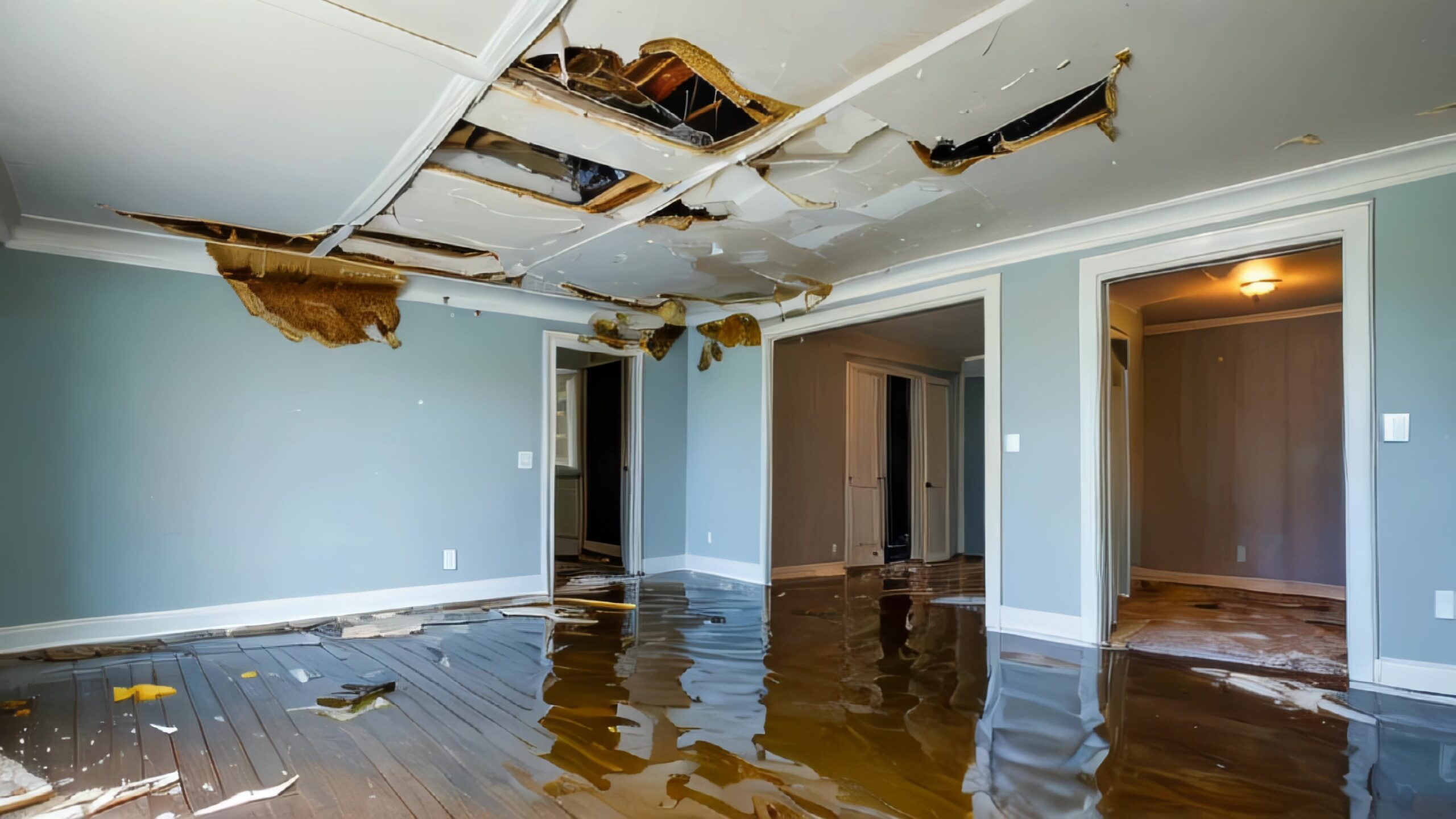
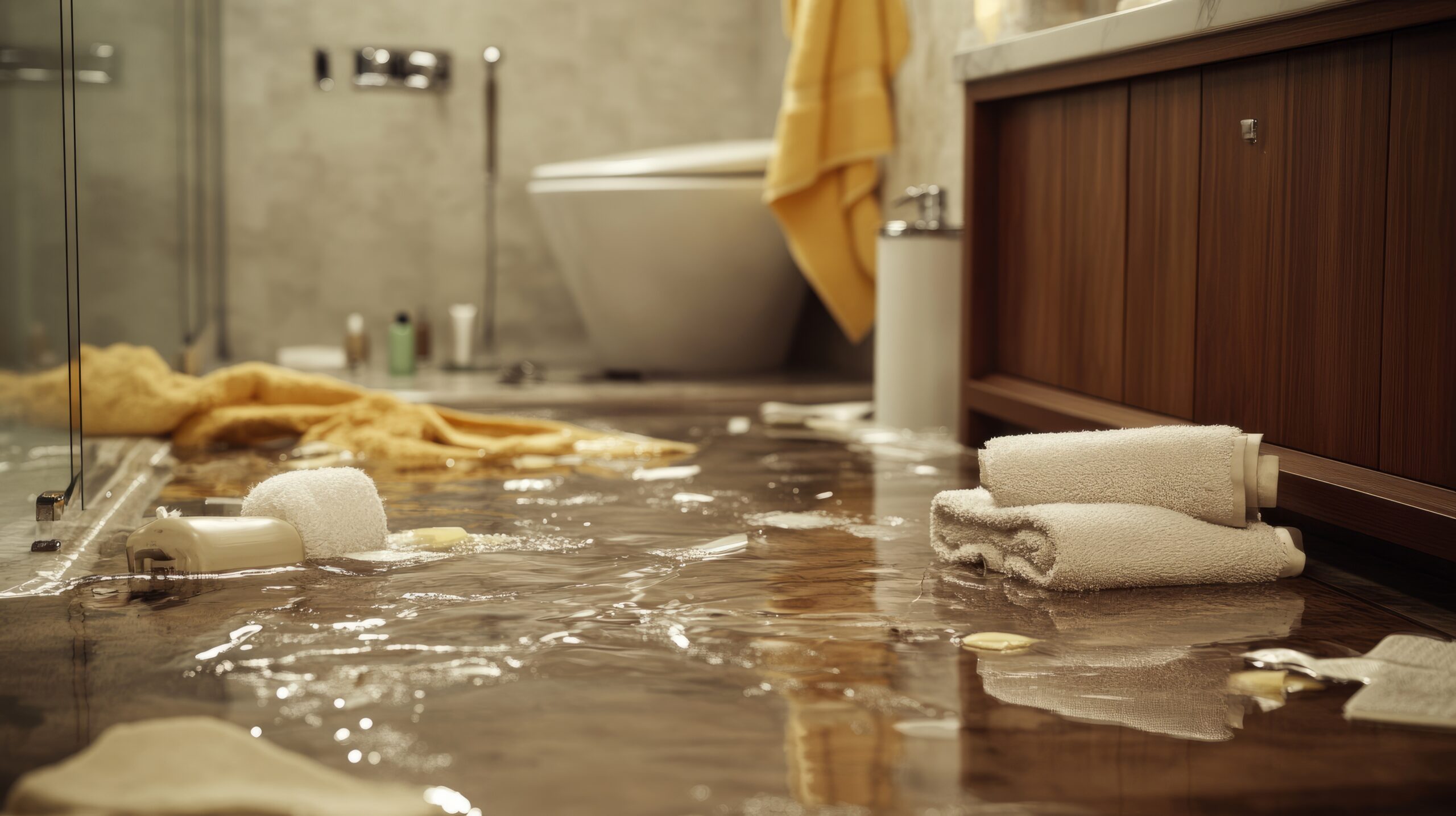
When the water supply lines to your shower develop a leak, the results can be far more serious than a small drip. Hidden moisture can quickly spread behind walls and ceilings, leading to costly repairs and even flooding in areas below, such as your kitchen, basement, or both. If you notice signs of water damage connected to a shower valve or plumbing issue, don’t wait for the problem to worsen. Contact R & S Restores for prompt water damage mitigation, cleanup, and professional restoration to help protect your home.
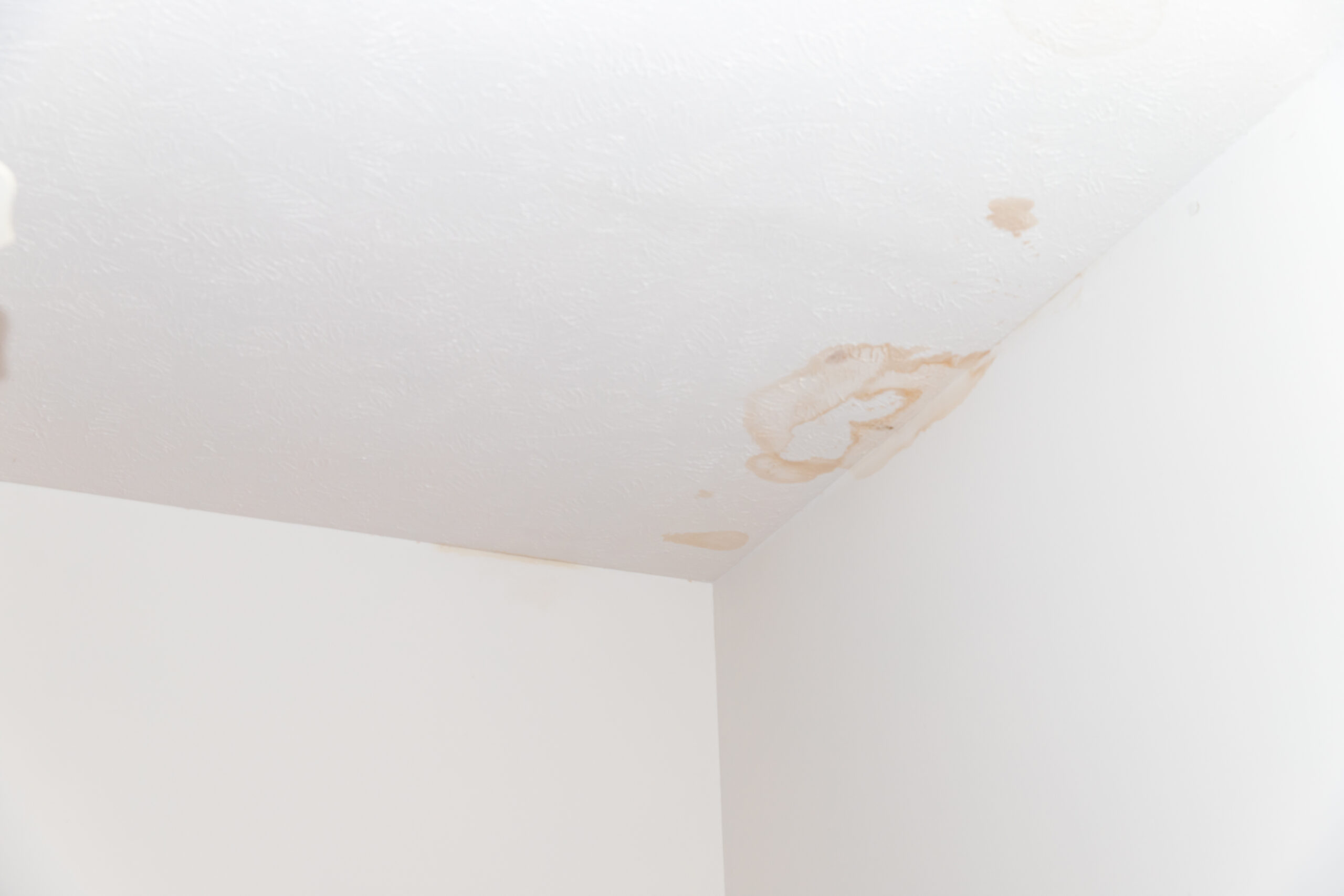
At some point, even a well-built shower pan or drain can start to fail—and the problem isn’t always obvious at first. In many cases, the earliest warning sign is subtle: faint water staining or discoloration on the ceiling directly below the bathroom. It’s easy to dismiss these marks as old damage or minor moisture, but they often indicate an active leak that’s slowly spreading behind the scenes. Left unaddressed, that moisture can lead to mold growth, warped materials, and costly damage to subfloors, framing, and insulation.
If you notice water stains, bubbling paint, sagging drywall, or a musty smell under your bathroom or shower, it’s time to take action. Contact R & S Restorers for a professional inspection. Our team can identify the source of the leak, explain your options clearly, and help stop the damage before it escalates into a larger repair. And if the affected area is already significant, we can assist with the full mitigation and restoration process, including coordinating with your insurance company to help streamline the claim and get your property back to normal.
Over time, the grout lines and caulking in your shower can wear down from daily use, cleaning products, and normal settling in the home. As they deteriorate, they may crack, crumble, or pull away from the tile and fixtures, which means the shower can no longer maintain a tight, waterproof seal. Once that protective barrier is compromised, moisture can slowly slip behind the tile surface and into the wall cavity, creating larger hidden problems—much like the damage caused by a leaking shower pan, failed waterproofing, or a drain leak that goes unnoticed.
Often, the earliest clues show up outside the shower itself. You might see water staining, bubbling, or discoloration on a shared wall in the room next to the shower, or on the ceiling directly below an upstairs bathroom. In some cases, baseboards may warp, grout may darken in spots, or tiles may start to feel loose. Other common red flags include peeling paint, soft or spongy drywall, and a persistent musty odor that suggests ongoing moisture and possible mold growth. Catching these signs early can help prevent more extensive repairs later.