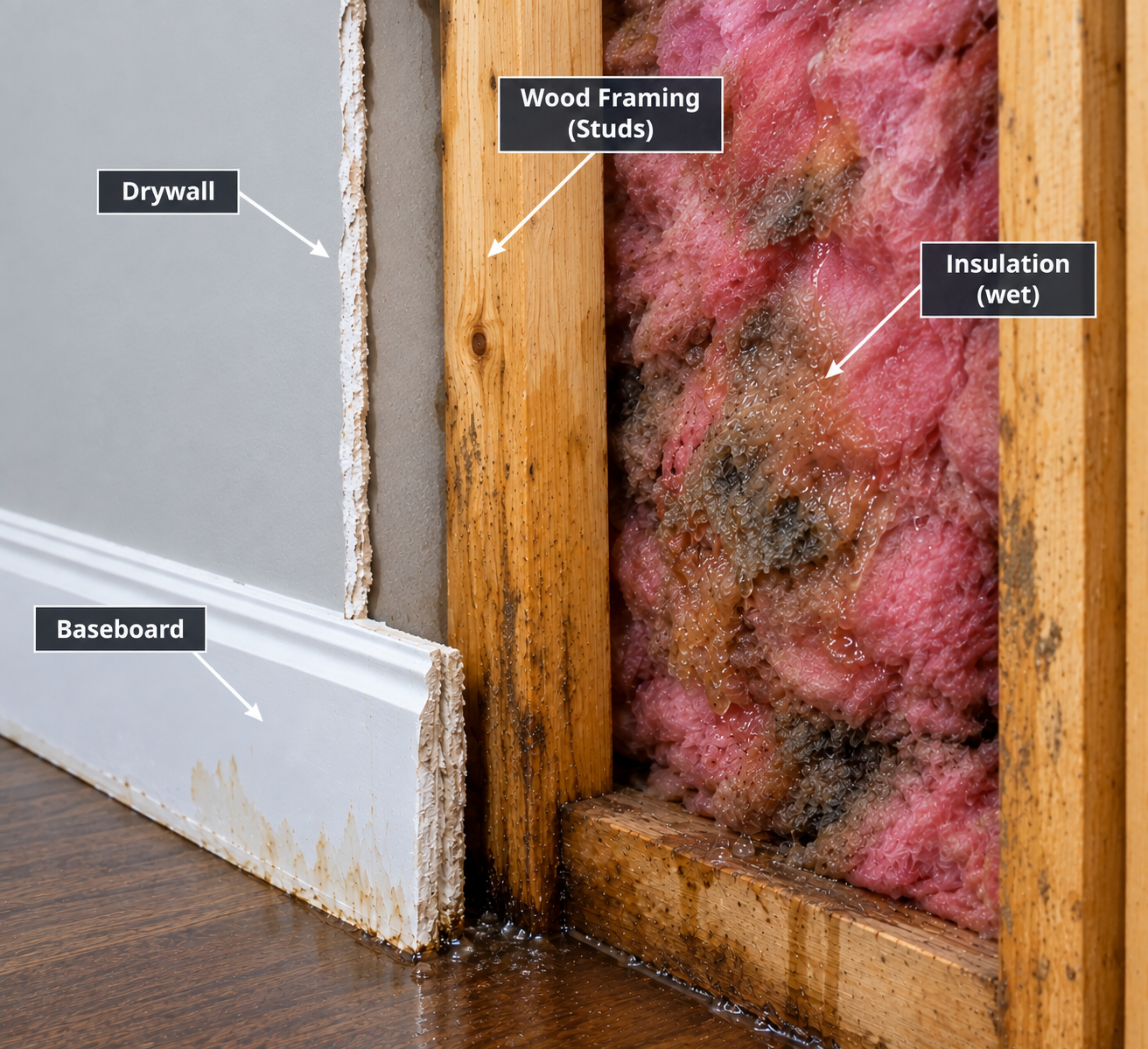
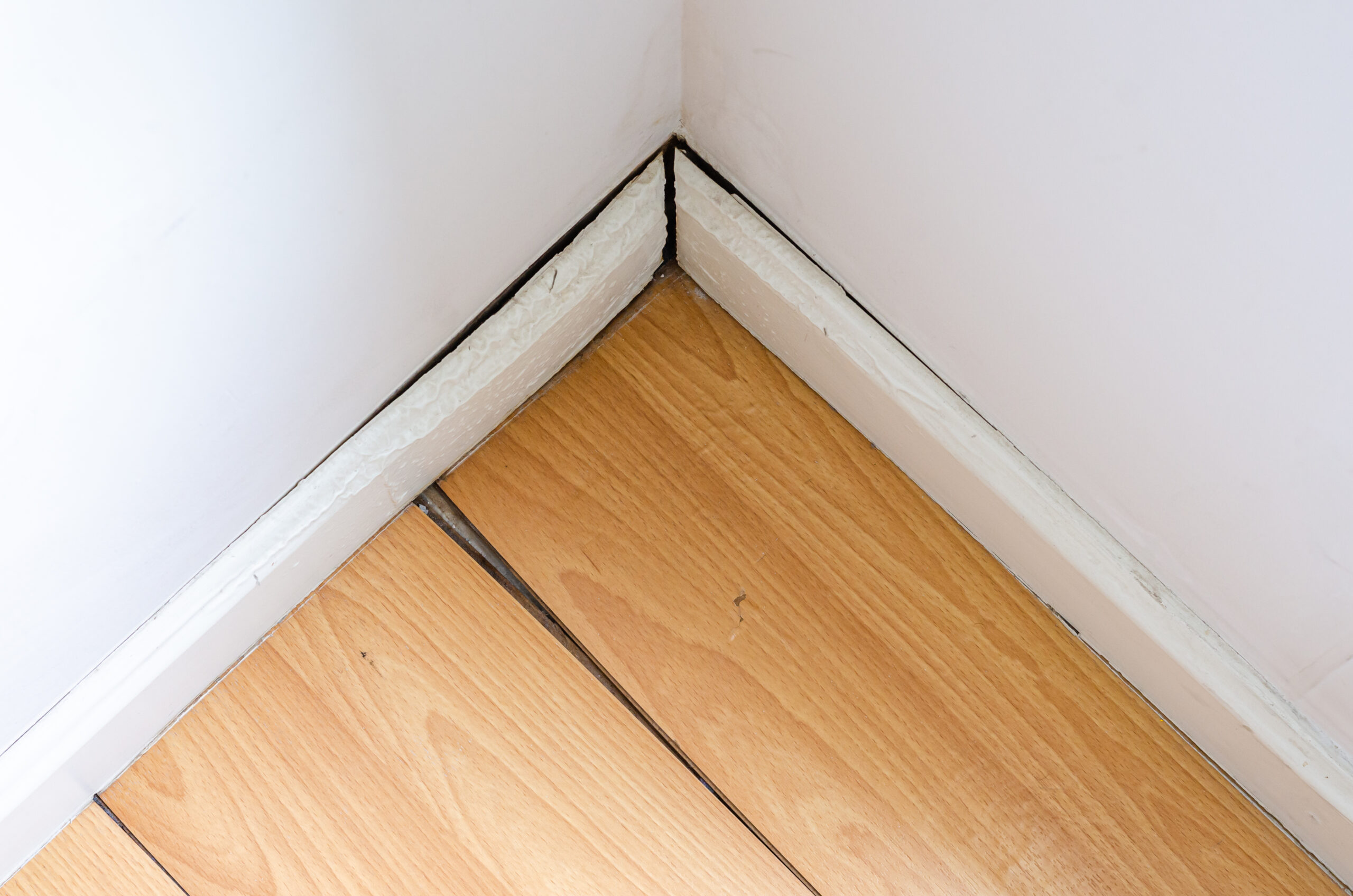
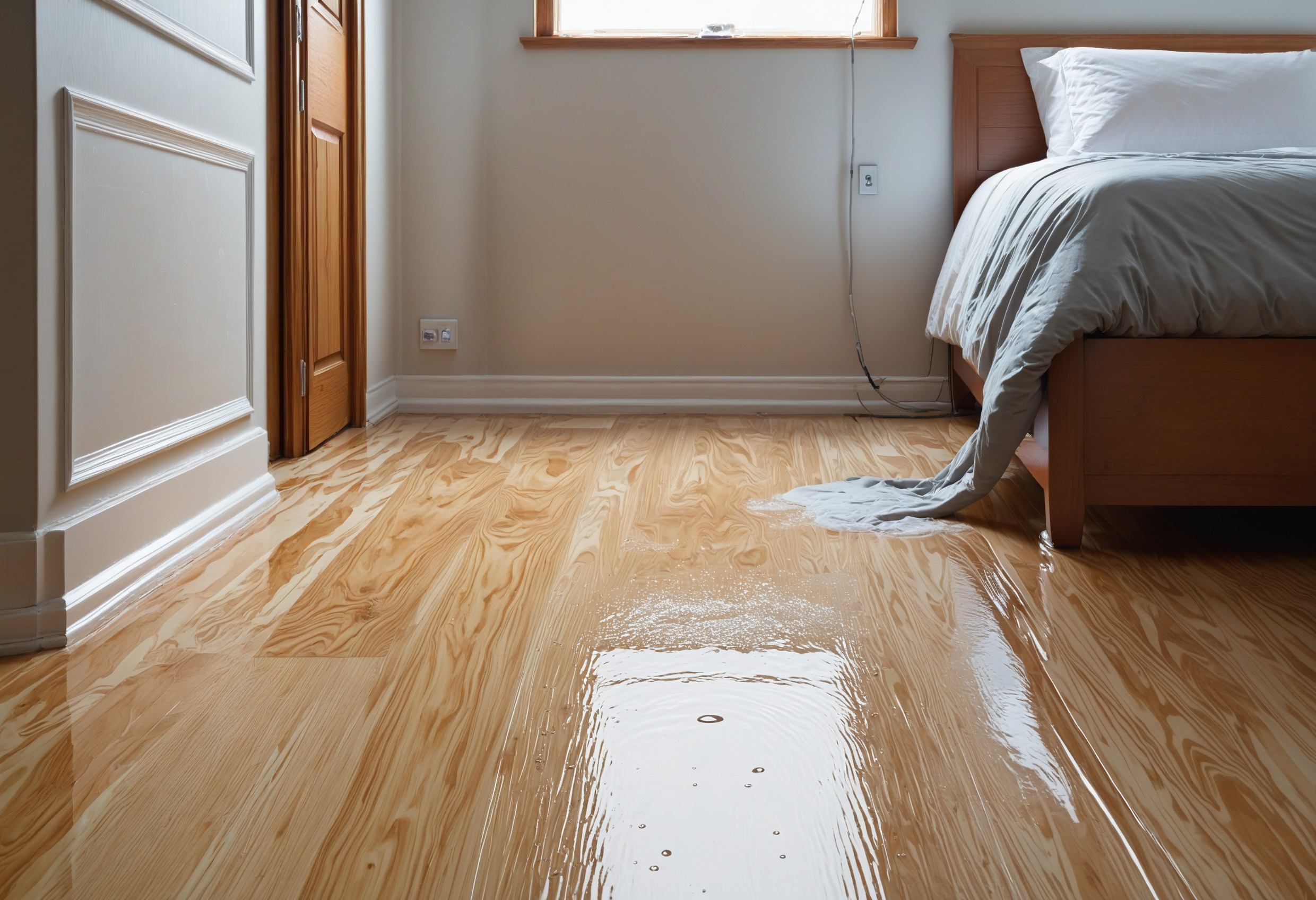
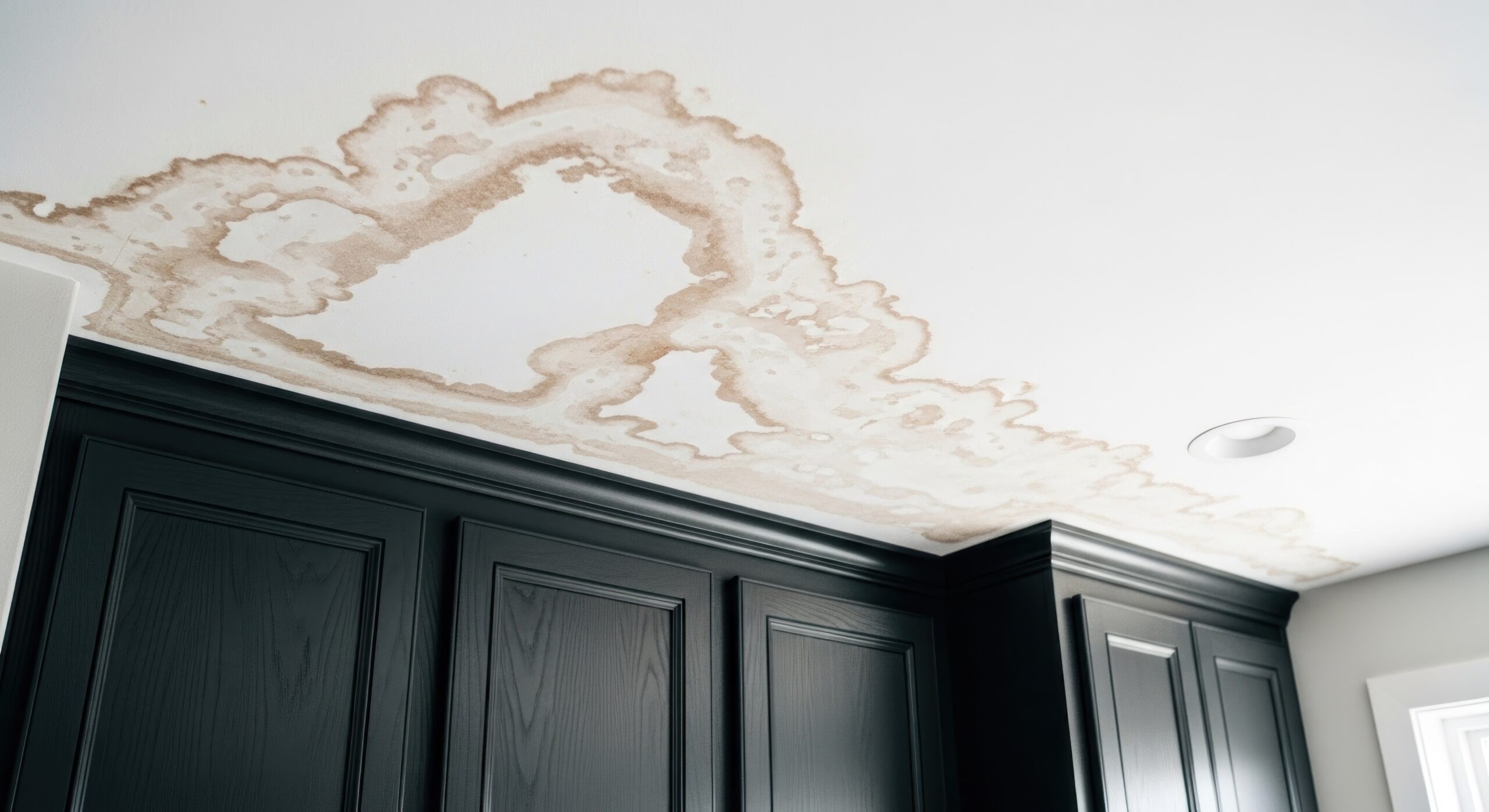
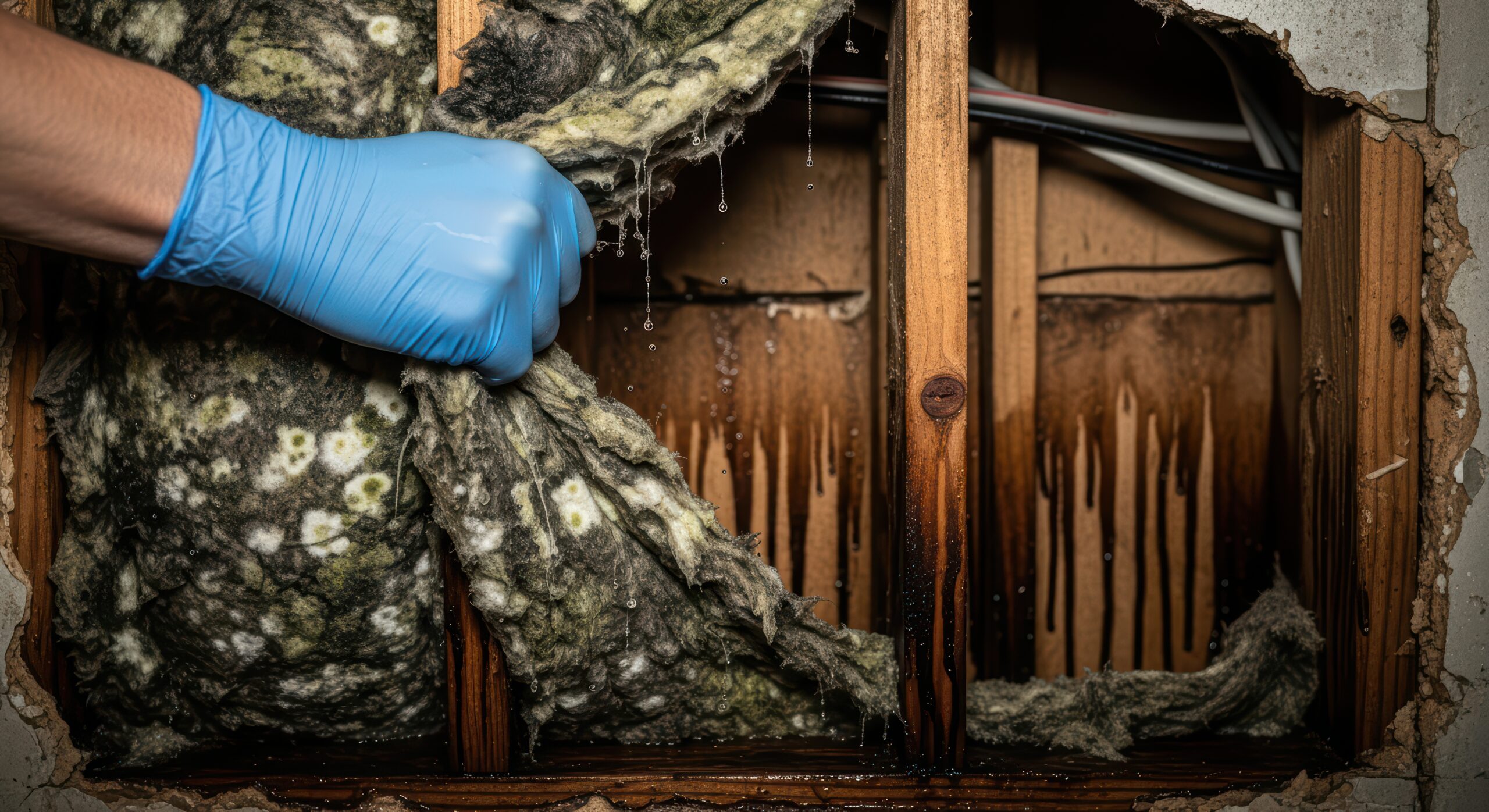
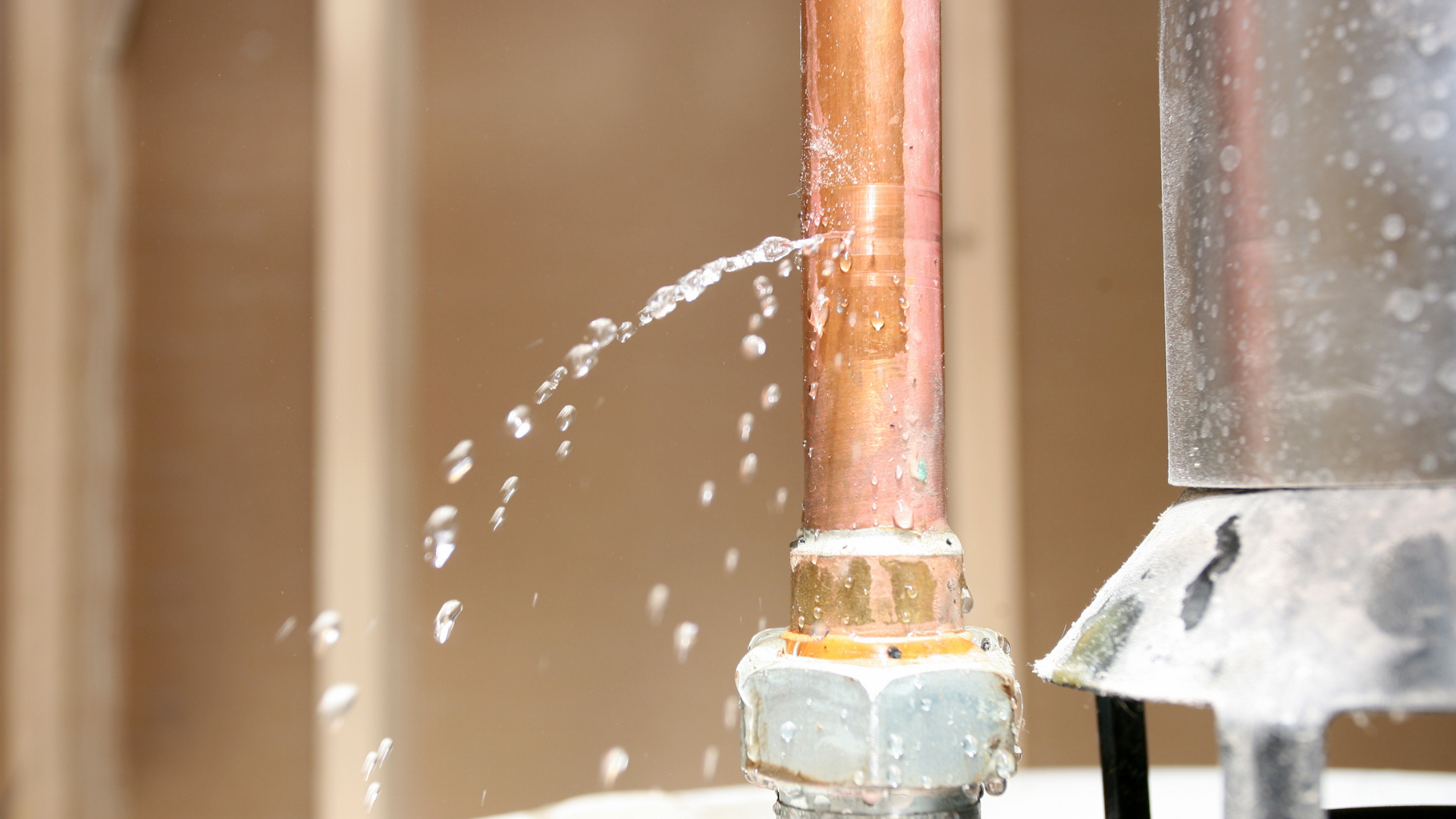
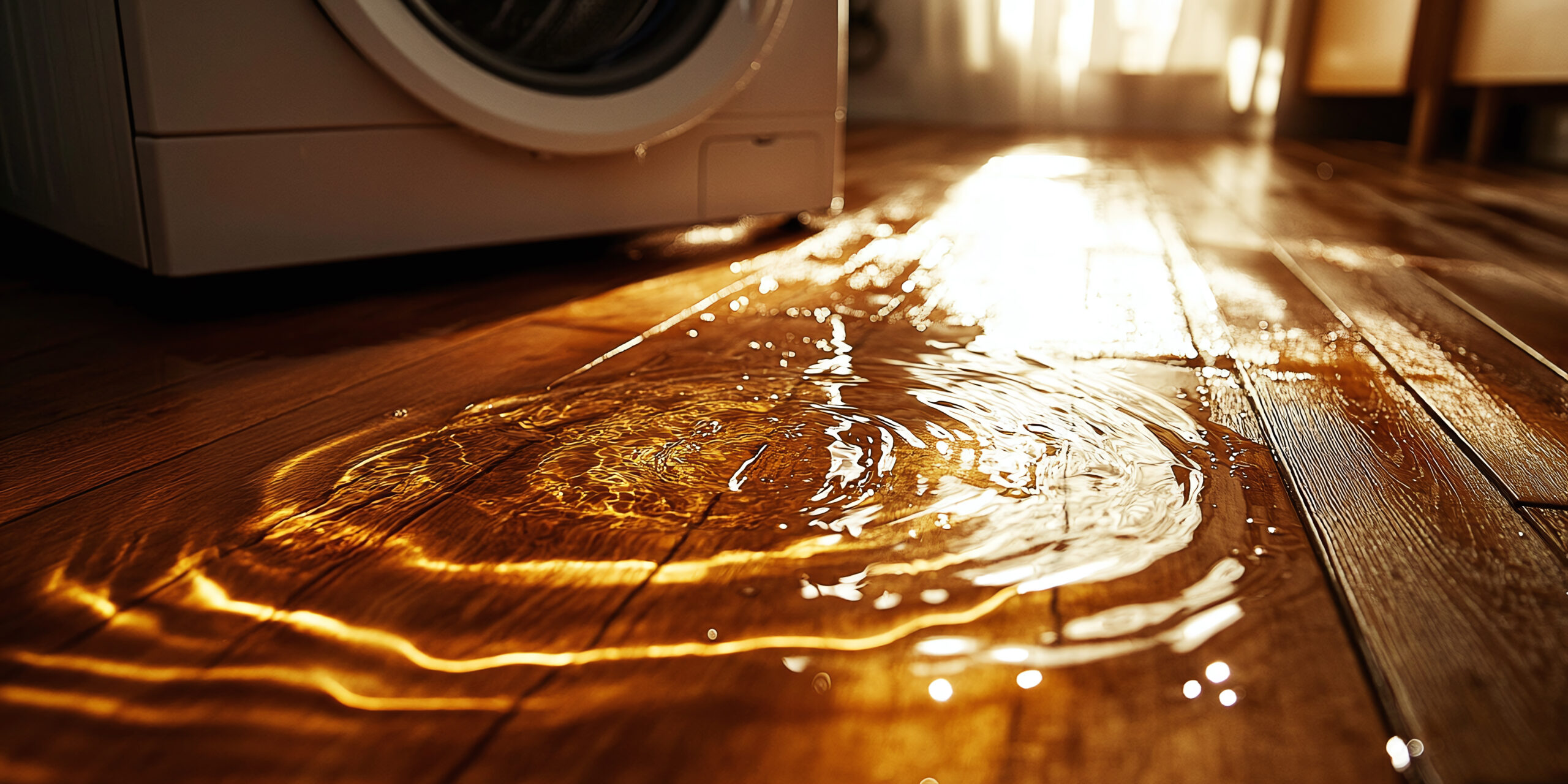
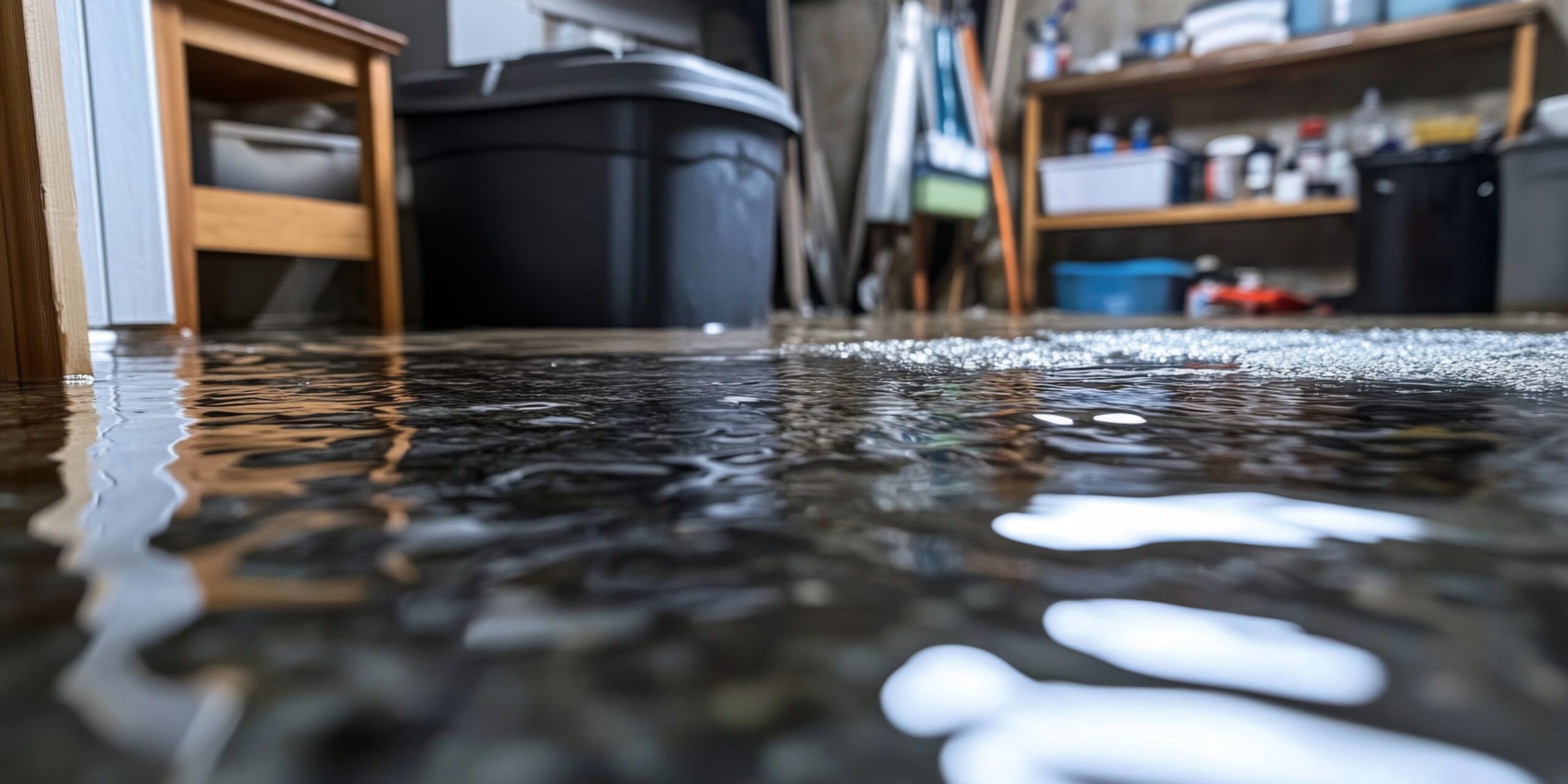
After water damage occurs in a home, baseboards, door casings, and trim are often overlooked. They may not show immediate signs of damage and can appear dry to the naked eye. However, drywall, baseboards, and trim can absorb both the initial water and lingering moisture in the air after issues like burst pipes, water heater leaks, or flooded basements.
Sometimes the damage is visible, such as wood bowing, warping, or caulking separating from the wall. But hidden moisture can be much worse, creating ideal conditions for mold. With drywall and wood present, there are multiple food sources, and the area can remain dark and damp—everything mold needs to grow.
Proper water mitigation helps ensure baseboards are either dried in place or removed when necessary, which can reduce the risk of mold and help prevent more extensive remediation later.
Read our Google Reviews
Help for Any Disaster
If you’re dealing with an unexpected disaster, we’re here to help. Contact us today to talk to an expert.
Water mitigation is the first step in water damage restoration and is typically handled as an emergency service. It marks the start of the cleanup process and may include removing standing water, setting up specialized drying equipment, taking moisture readings, and applying antimicrobial agents to help limit damage and reduce the risk of mold. Because hidden moisture and other issues can lead to costly problems, it’s usually best to work with restoration professionals.
In certain situations, failing to promptly perform water mitigation after damage occurs can lead to serious consequences. Including reduced coverage or even claim denials by your insurance provider.
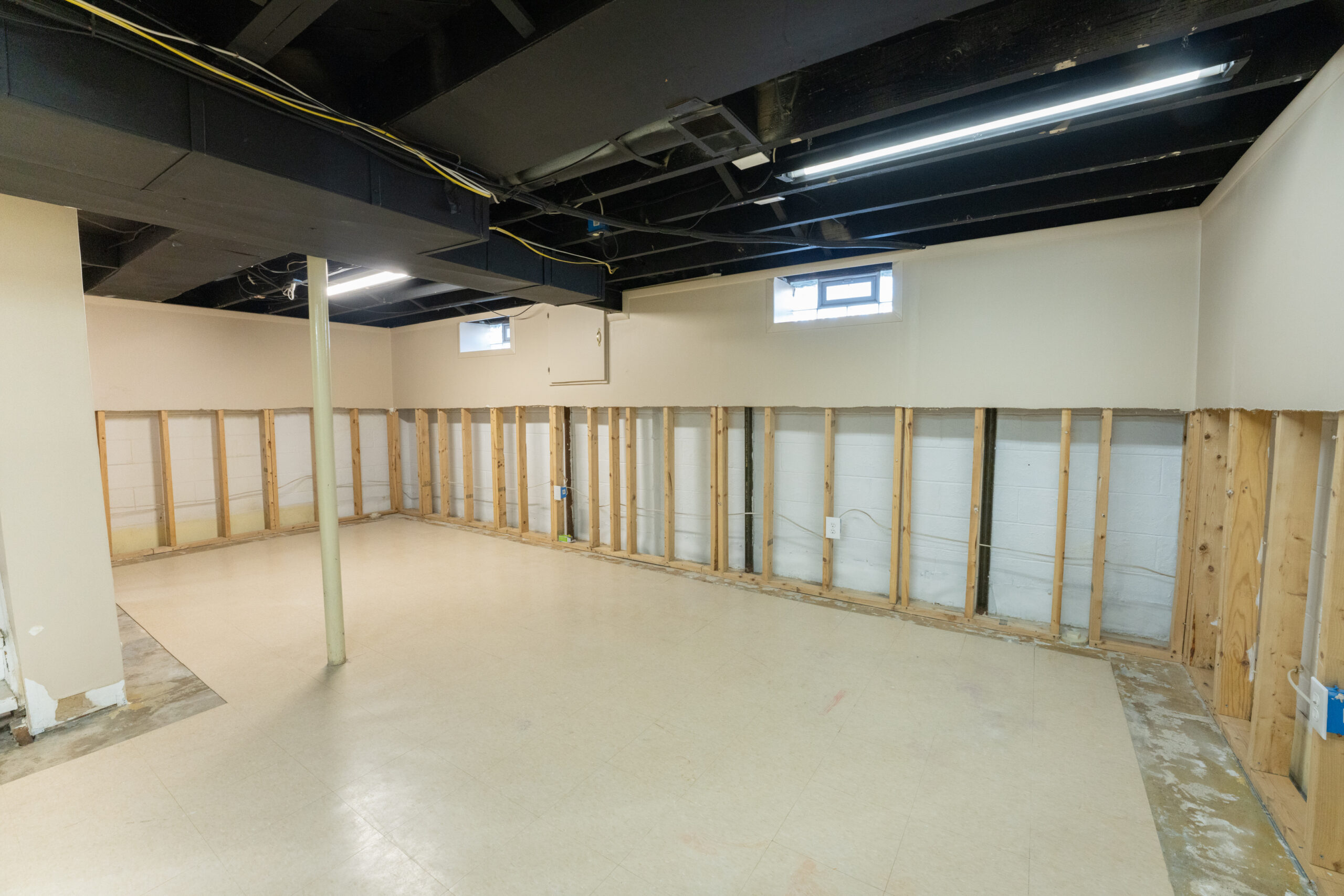
After mitigation is complete, the next step is restoring your property back to its pre-loss condition. Because of the water damage, materials such as baseboards, drywall, insulation, and other affected components may have been removed to prevent further issues and allow the area to dry properly. As part of the restoration process, there will be a need to repair, rebuild, or replace damaged materials so the space can be returned to a safe, functional, and finished condition.